Public Health Wales sets out winter health priorities
Public Health Wales has published a new evidence-based framework designed to protect health and ease demand on services across Wales this winter.
The report, Winter Well-being: Shared Actions and Impact, brings together updated research, behavioural insights and practical tools to help health, social care and community partners prepare for the colder months.
It builds on Public Health Wales’ 2019 report, Improving Winter Health and Well-being and Reducing Winter Pressures in Wales, and applies behavioural science principles to support more effective planning and communication.
The 2025 edition identifies six key areas for joint action across individuals, communities and organisations:
Preventing and managing infectious diseases
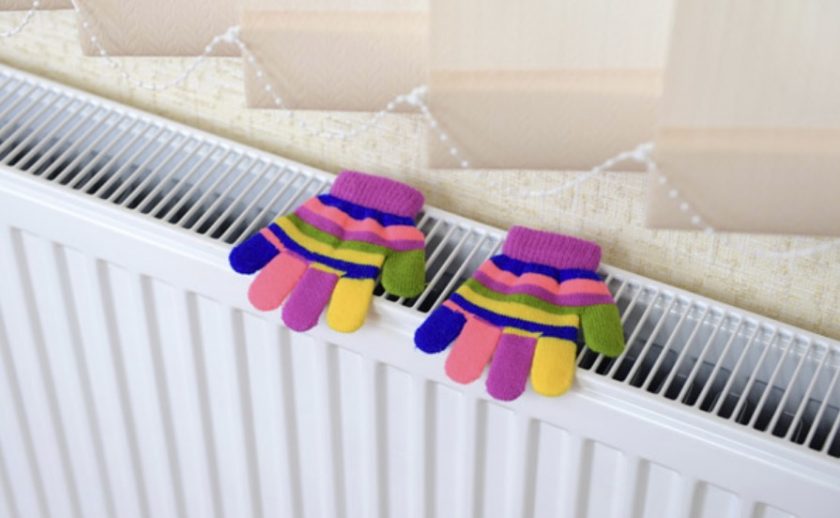
Staying warm and well
Accessing the right care at the right time
Supporting mental health and well-being
Supporting vulnerable populations
Building healthcare workforce resilience
Each section includes detailed checklists and tools intended to fit within NHS and Welsh Government winter planning frameworks.
These are designed to make positive actions “normal, easy, attractive and routine”, while recognising that staff and services often operate under significant strain during winter.
Ashley Gould, Programme Director of the Behavioural Science Unit at Public Health Wales, said: “Winter can challenge us all – bringing increased demand on individual health and significant challenges to services across all sectors in Wales.
“The report applies behavioural science principles to some of the most significant challenges in improving and protecting health during winter. It recognises that lasting impact comes from both individual action and system-wide support.
“This dual focus framework highlights that while personal responsibility is important, the environment, policies and services around us must make those choices easier and more achievable for everyone.”
The report details the health risks linked to colder weather in Wales, including rises in respiratory and cardiovascular disease, injuries from falls, and increased hospital admissions for older adults.
Between 2011 and 2023, avoidable deaths in Wales were found to peak in December and January, with the highest rates among older women and people in more deprived areas.
It also highlights the growing impact of fuel poverty, with an estimated 4,950 excess winter deaths across the UK in 2022–23 caused by cold homes.
Public Health Wales notes that indoor temperatures below 18°C are consistently linked to negative health effects, including cardiovascular and respiratory illness.
Under the section on “Preventing and Managing Infectious Diseases”, the guidance urges people to get vaccinated against flu, RSV and COVID-19, and calls on services to reduce barriers to access by simplifying appointments, expanding locations and using behavioural insights to target hesitant groups.
On “Staying Warm and Well”, it recommends checking heating systems before the weather turns cold, heating main living areas to at least 18°C, eating hot meals, and checking on vulnerable neighbours. Organisations are encouraged to automatically enrol eligible households for heating support and streamline benefit applications.
The “Healthcare Workforce Resilience” section introduces practical behavioural guidance for frontline teams, including “shrink-it, junk-it, chunk-it” approaches to simplify decision-making, structured breaks to reduce fatigue, and leadership behaviours that promote psychological safety.
The report also emphasises early help for mental health, encouraging daily routines, outdoor activity, reduced alcohol use and community connection. Public Health Wales promotes www.hapus.wales as a starting point for practical wellbeing support.
By combining individual actions and system-level change, Public Health Wales aims to support consistent, preventative action across Wales through the winter of 2025–26.
The report concludes: “The dual action framework can be used as a collaborative tool for local teams to examine winter preparedness. It is not an audit tool, but a prompt for meaningful conversations about individual capabilities and system enablers, before and during winter.”
Check live fuel prices near you before you set off.
Spotted something? Got a story? Email news (@) deeside.com

NEW: Add Deeside.com as a preferred source on Google to see more of our trusted coverage when you search.
Latest News