Meet Kendi and Tafari – Chester Zoo’s new cheetah brothers
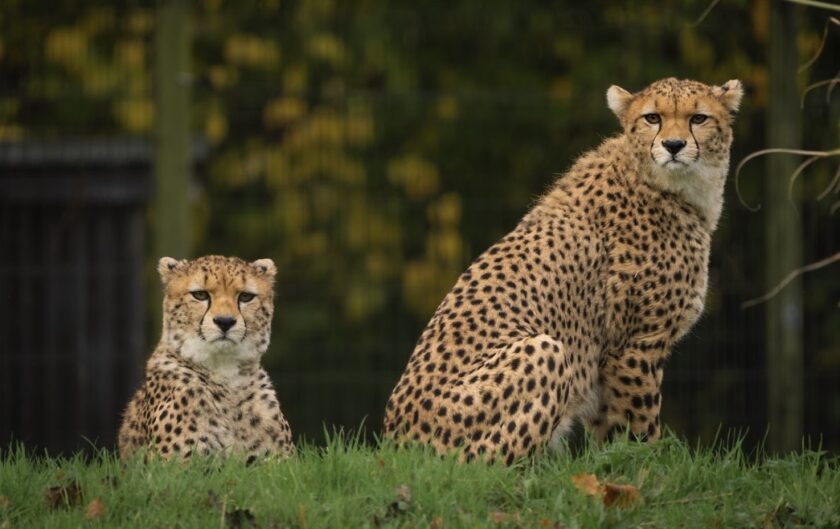
Two highly endangered cheetah brothers, Kendi and Tafari, have arrived at Chester Zoo as part of international efforts to save their species from extinction.
The one-year-old Northeast African cheetahs have transferred from Yorkshire Wildlife Park to Chester as part of a breeding and conservation initiative.
The brothers are among fewer than 500 of their kind remaining in the wild.
A first set of images released by the zoo shows the pair exploring their new home together for the first time.
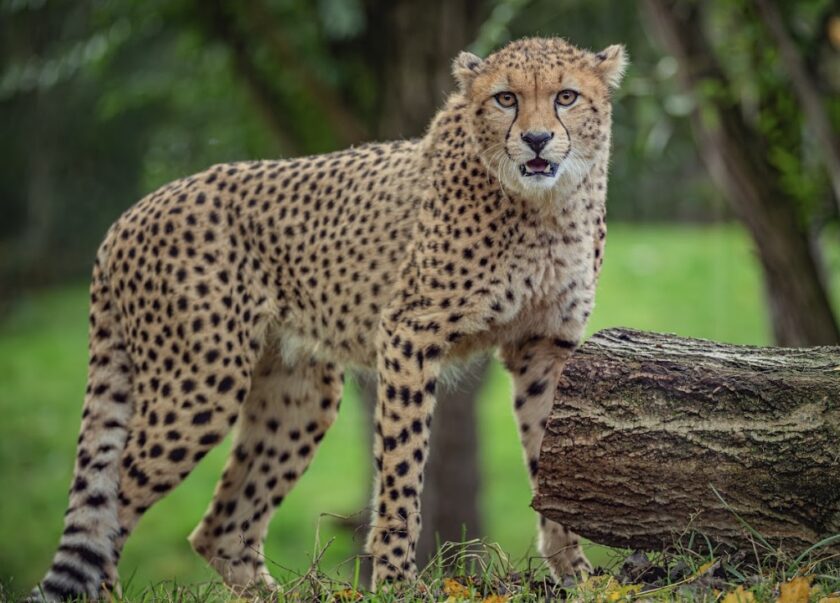
Male cheetah siblings often form lifelong bonds known as a ‘coalition’, and staff say the duo have been inseparable since their arrival.
Northeast African cheetahs once roamed across several countries in East Africa, but their population has fallen dramatically in recent decades.
Today, they are found only in small, fragmented groups in South Sudan, Uganda and Ethiopia, and are virtually extinct in Somalia, Kenya and Sudan.
Although they live inside protected areas, the species continues to face severe threats from habitat loss, human conflict, and the illegal wildlife trade. They are listed as endangered by the International Union for the Conservation of Nature (IUCN).
Dayna Thain, Carnivore Keeper at Chester Zoo, said:
“The arrival of Kendi and Tafari marks a significant moment for cheetah conservation. At 18 months, the brothers are at a natural stage to become more independent. Young, inquisitive and confident, they’re already making themselves at home. It’s great to see that they share such a close bond as they’ve been inseparable since the moment they arrived – spending much of their day side-by-side as they explore their new home together.
Dayna continued: “Northeast African cheetah are one of the rarest big cats on the planet and so, in time, we’ll be looking to introduce genetically matched females to them as part of the endangered species breeding programme. Every successful pairing and every cub born represents a crucial step in the right direction for their ongoing survival.
“In the wild, their range is now reduced to just a fraction of what it once was only three decades ago – a stark reminder of how quickly species can disappear when habitats are lost or fragmented. That’s why our work to ensure a healthy safety-net population in conservation zoos has never been more important. Alongside this, our conservationists are working in the field in countries like Uganda to protect threatened wildlife and the habitats they depend upon. Together, we’re hopeful that these efforts will help create a brighter future for some of Africa’s most iconic species, like the Northeast African cheetah.”
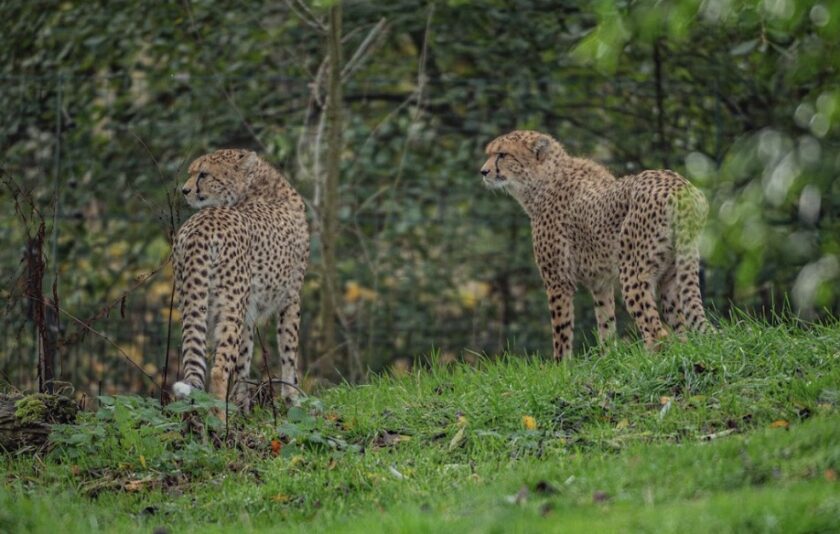
Chester Zoo’s Heart of Africa habitat, opened in March 2025, is now home to 57 African species.
The new zone is designed to support the zoo’s conservation work in Africa, including habitat protection and community programmes.
Check live fuel prices near you before you set off.
Spotted something? Got a story? Email news (@) deeside.com

NEW: Add Deeside.com as a preferred source on Google to see more of our trusted coverage when you search.
Latest News