Help nature at Halloween and Bonfire night and throughout autumn, Chester Zoo experts urge.
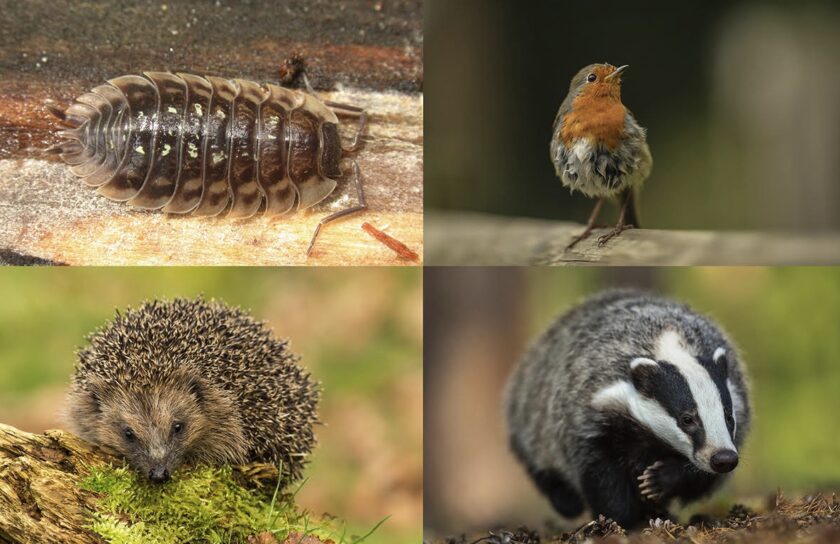
Chester Zoo educators are encouraging residents to make small changes to help wildlife this autumn as Halloween and Bonfire Night approach.
Sally Hall, Ecology and Habitats Advisor for the Networks for Nature project, said: “There is a lot you can do – and a lot you can avoid doing – to help nature thrive at this time of year. And we encourage people to get out there and enjoy the changing seasons. It’s a great chance to connect with nature, which is good for human wellbeing, too.”
The team’s top ten autumn tips include:
- Pop pumpkins somewhere high and clear them away after Halloween.
- Check bonfires carefully for hibernating hedgehogs before lighting.
- Inspect hedgerows and long grass for nesting birds and small animals.
- Be a messy gardener: leave seed heads, dead leaves and brush.
- Keep log and deadwood piles in place until spring.
- Watch and listen for migrating birds.
- Take an early evening bat walk.
- Go fungi spotting, taking care not to disturb them.
- Enjoy the colours of the changing season.
- Volunteer in local biodiversity projects.
Sally added: “Autumn is an important time for garden and estate work, but don’t rush to tidy things up too much. Sometimes it’s more about what you don’t do. Leaving seedheads helps plants spread and provides animals with food as the weather gets colder. Invertebrates, amphibians and small mammals can hide in logs and dead wood.
“One thing that is important to clean up is Halloween pumpkins. If you have put any out on display, remember they can make hedgehogs and other small mammals sick, so put them somewhere out of reach and take them down straight after Halloween. We also strongly recommend checking bonfires for hedgehogs and other small animals before you light any fires.”
Christopher Ablett, Community Volunteering Assistant Manager for Chester Zoo’s education team, said: “This is the season of change. At this time of year, some migratory birds have already settled in to overwinter here, while others are on the move. Look out for pink-footed geese – if you hear honking as a V formation flies overhead, that’s probably them, as the Wirral is a stronghold for the species.”
Sally added that shorter days make it more important to get outside, while also offering new opportunities. “My favourite thing is an early bat walk,” she said. “It’s darker now, so you can find them pretty much straight after work. Also, go to the woods and find mushrooms, as it is peak season for mushrooms and toadstools to ‘flower’. They are growing on standing deadwood, on the ground and under leaf litter, so have a rummage.”
Christopher said nature has its own answer to firework displays as trees, shrubs and climbing plants turn vivid colours. “It’s the perfect time of year to notice little details, how the leaves change, how the light changes, how some animals disappear into hibernation and others arrive,” he said. “It’s a good time to stop and look for beauty. And, if you’d like to be a bit more active, autumn is the key time to sow wildflowers, get involved in hedge laying and carry out other biodiversity work.”
The Networks for Nature project, led by Chester Zoo, spans around 60 square miles from the River Dee to the River Mersey, including Chester and Ellesmere Port.
It works with Cheshire West and Chester Council, The Land Trust, Cheshire Wildlife Trust, Canal and River Trust, and the Walk Wheel Cycle Trust to boost local biodiversity.
The project is supported by the National Lottery Heritage Fund, Westminster Foundation, Lord Leverhulme’s Charitable Trust, Marjory Boddy Charitable Trust and Sykes Cottages.
Check live fuel prices near you before you set off.
Spotted something? Got a story? Email news (@) deeside.com

NEW: Add Deeside.com as a preferred source on Google to see more of our trusted coverage when you search.
Latest News