Where Passion Meets Pride: The Sporting Story of Wales
There are few places on earth where sport feels as deeply woven into the fabric of identity as in Wales. Wales — bounded by mountains, sea, and song — has long defined itself through its athletic heart. From the rugby pitches of Cardiff to the slate-grey football grounds of Wrexham, sport in Wales is both an escape and an anthem, a way for a nation of just over three million to shout across the world: We belong.
Yet Welsh sport is not only about victory or pride. It’s a reflection of history, geography, and community — shaped by the mines and valleys that once fuelled Britain’s industrial revolution, by the choirs that echoed across the hills, and by the sense of defiance that comes from being the smallest voice in a large union.
Nowadays, sport evolves into digital fandom. All over the world, fans watch live streams of sporting events and check the latest scores and stats at expert websites. They even make their sports bets online: if you visit this site, you’ll see that betting, with its wide sports coverage and set of bonuses, has interwoven into the international sports and entertainment ecosystems.
And Welsh athletes and fans continue to adapt — proving that national spirit can thrive in any format. The story of Welsh sport is one of evolution — from village rivalries to Olympic podiums, from coal dust to global television. It’s not just about athletes; it’s about resilience, unity, and the joy of belonging to something larger than oneself.
The Rise of Rugby as a National Symbol
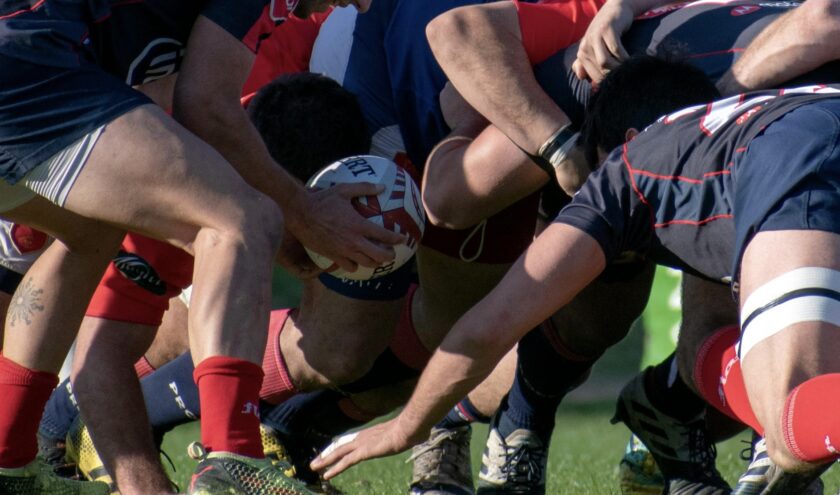
If there is one sport that defines Wales, it is rugby. Since the late 19th century, rugby union has been more than a pastime; it’s a statement of national identity. The game’s popularity exploded during the industrial boom, when miners and steelworkers used rugby as both release and expression. Matches were not merely contests — they were theatre, defiance, and celebration rolled into one.
The first recorded international match for Wales took place in 1881 against England, and although the team lost heavily, something was born that day: a sense that this sport could unite the country in a way nothing else could. The red jersey, the dragon crest, and the singing of Hen Wlad Fy Nhadau before each match became sacred traditions.
The 1970s are often remembered as the golden age of Welsh rugby. Players like Gareth Edwards, JPR Williams, and Barry John were not just athletes but icons, revered in every pub and valley. Their style — fast, inventive, almost poetic — mirrored the soul of the nation itself. Wales’ dominance in the Five Nations Championship during that decade turned them into cultural heroes and made Cardiff Arms Park one of rugby’s cathedrals.
The Modern Renaissance
After periods of struggle in the 1980s and 1990s, Welsh rugby experienced a rebirth in the 2000s under coaches like Warren Gatland. The introduction of regional teams revitalised domestic competition, and Wales went on to claim multiple Six Nations titles and Grand Slams. The national team’s semi-final finish at the 2011 Rugby World Cup rekindled belief, while players like Alun Wyn Jones became embodiments of grit and humility.
Beyond the men’s game, the rise of women’s rugby and grassroots initiatives has broadened the sport’s reach. The Welsh Rugby Union now supports more than 300 community clubs, ensuring that the next generation grows up with the same fire in their hearts that once echoed in the valleys.
Football, Fandom, and the Global Stage
For much of the 20th century, football in Wales lived in the shadow of rugby, yet its growth has been just as remarkable. Clubs like Cardiff City, Swansea City, and Wrexham became beacons of local pride — representing not just towns, but entire regions.
The 1958 World Cup marked Wales’ first major breakthrough when the national team reached the quarter-finals, only to be defeated by a teenage Pelé. For decades afterwards, Wales waited for another chance on the world stage — and that moment finally came in 2016. Led by Gareth Bale and Aaron Ramsey, Wales reached the semi-finals of the UEFA European Championship, shocking Europe with fearless, united play. The team’s rallying cry, “Together Stronger,” captured the nation’s heart and gave a new voice to Welsh identity in the modern age.
Wrexham and the Power of Storytelling
No recent story illustrates the romance of Welsh football better than Wrexham AFC. Founded in 1864, it’s one of the oldest football clubs in the world — but it languished in obscurity until 2020, when Hollywood actors Ryan Reynolds and Rob McElhenney bought the team. Their investment, combined with a heartfelt documentary series, turned Wrexham into a global phenomenon.
But what’s most striking isn’t the fame — it’s how the town itself became the star. Wrexham’s revival symbolises how sport can bring hope, jobs, and pride to a struggling community. It’s a reminder that football in Wales, like rugby, is ultimately about people.
Beyond the Pitch
Though rugby and football dominate headlines, Wales has produced champions across many disciplines. Boxing legends like Joe Calzaghe retired undefeated, while cyclist Geraint Thomas made history by winning the 2018 Tour de France — the first Welshman to do so.
Track and field has its heroes too, from Colin Jackson’s world-record-breaking hurdles to Tanni Grey-Thompson’s incredible Paralympic career. These athletes shattered stereotypes, proving that Welsh excellence isn’t confined to team sports.
At the Olympics, Wales has consistently punched above its weight, contributing significantly to Team GB’s medal tally. Whether in swimming, sailing, or taekwondo, Welsh athletes continue to turn talent into triumph.
The Future of Welsh Sport
What makes Welsh sport special isn’t just its history but its adaptability. The nation’s commitment to youth programmes, community funding, and inclusive access ensures that sport remains a vehicle for social mobility and national unity. Initiatives like Sport Wales aim to get every child active, no matter their background — a mission that echoes the communal roots of the country’s athletic traditions.
Digital transformation is also redefining how Welsh fans connect. From online fan communities to eSports teams representing Welsh clubs, the country continues to blend heritage with innovation. In a sense, it’s the same story told in a new medium — pride, competition, and belonging, translated into pixels and broadcasts.
The Soul Behind the Sport
To understand Welsh sport is to understand Wales itself — its defiance, its song, its heart. Every try scored at the Principality Stadium, every goal in a rain-soaked Wrexham night, every medal gleaming on a podium — they all tell the same story: that greatness is not about size, but spirit.
In a globalised sporting world, Wales remains refreshingly human — a nation where community still matters more than celebrity, and where sport continues to serve as both mirror and heartbeat.
The story isn’t finished. It never is. In every new match, every new athlete, the rhythm of Wales beats on — steady, proud, and eternal.
Check live fuel prices near you before you set off.
Spotted something? Got a story? Email news (@) deeside.com

NEW: Add Deeside.com as a preferred source on Google to see more of our trusted coverage when you search.
Latest News