UK watchdog orders vets to publish prices and cap prescription fees after finding pet owners left in the dark on costs
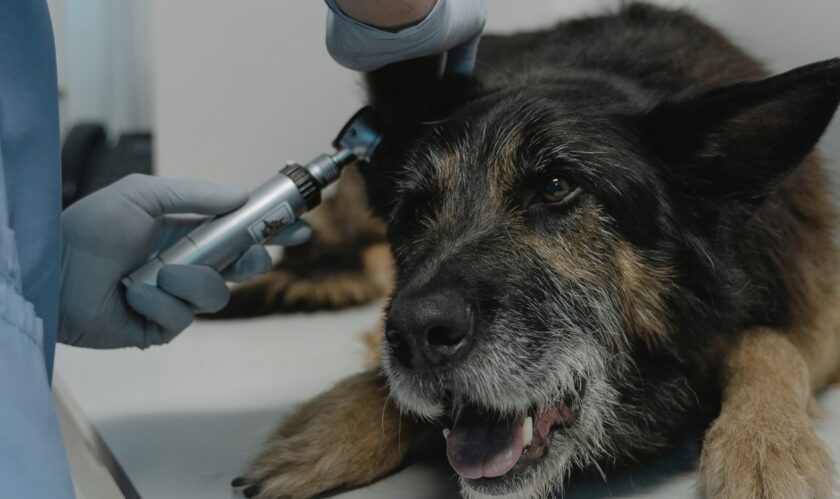
Vet practices across the UK will be required to publish price lists, cap prescription fees and disclose whether they are part of a large corporate group under legally binding rules announced today by the Competition and Markets Authority.
The CMA concluded its market investigation into veterinary services on 24 March 2026, ordering a package of measures it said would address a lack of pricing information it found was leading to weak competition and high costs for pet owners.
Written prescription fees will be capped at £21 for the first medicine and £12.50 for any additional medicines.
The CMA found some practices are currently charging £30 or more per prescription.
Practices will also be required to tell pet owners they can obtain a written prescription and buy medication elsewhere.
The watchdog estimates that more than 70% of pet owners currently buy long-term medication directly from their vet practice, and that many could save £200 a year by purchasing online instead.
Practices must publish a comprehensive price list covering consultations, common procedures, diagnostics, written prescriptions and cremation options.
For any treatment expected to cost £500 or more, a written estimate must be provided in advance, with an itemised bill to follow.
Emergencies are the only exception to the written estimate requirement.
Practices that are part of a larger chain will be required to make that clear on signage, at the premises and online.
The CMA found that fewer than half of people using a large veterinary group were aware their practice was part of a chain.
Pricing and ownership information will be made available through the Royal College of Veterinary Surgeons’ Find a Vet service, which will share data with third-party comparison websites.
Martin Coleman, Chair of the independent Inquiry Group, said: “Too often, people are left in the dark about who owns their practice, treatment options and prices — even when facing bills running into thousands of pounds.”
He said the measures would mean “it will be made clear to pet owners which practices are part of large groups, which are charging higher prices, and for the first time, vet businesses will be held to account by an independent regulator.”
Emma Reynolds, Secretary of State for Environment, Food and Rural Affairs, said the government was “focused on helping families save money on vet services by improving transparency and choice around pricing” and would respond to the report and set out next steps for proposed legislative reforms in due course.
The CMA is also backing government proposals to reform the Veterinary Services Act, which it described as 60 years old and outdated, to make veterinary businesses as well as individual practitioners accountable to an independent regulator for the first time.
The RCVS will take a central role in monitoring compliance and running the comparison service, funded by a levy on veterinary businesses estimated at between £450 and £550 per practice annually.
The CMA has six months to put legally binding orders in place, meaning they will be in place by 23 September 2026.
Most changes will follow within three to twelve months of the orders being made, with smaller businesses given three months longer than larger ones to implement the required changes.
The investigation was launched in September 2023 and received 56,000 responses, including 45,000 from the general public and around 11,000 from people working in the veterinary industry.
Check live fuel prices near you before you set off.
Spotted something? Got a story? Email news (@) deeside.com

NEW: Add Deeside.com as a preferred source on Google to see more of our trusted coverage when you search.
Latest News