Senedd hears north Wales energy costs top UK table
North Wales remains the most expensive region in Britain for household energy, the Senedd has been told, as a regional MS pressed the Welsh Government to commit over £250 million to cutting bills and tackling fuel poverty.
Mark Isherwood MS (Conservative, North Wales region) raised the issue during questions on Tuesday to the Cabinet Secretary for Economy, Energy and Planning, citing data from National Energy Action Cymru.
The exchange came on the day before Ofgem confirmed a 7% cut to the energy price cap, bringing the average annual household bill down to £1,641 from 1 April.
The reduction was driven largely by the removal of £150 in policy costs from bills following the Chancellor’s budget decision.
Fuel poverty charity National Energy Action has said the new level is still far from affordable for the lowest-income households.
Mr Isherwood told the chamber: “National Energy Action Cymru note that people in Wales continue to pay more for energy, with north Wales remaining the most expensive region in Britain, and south Wales the third most expensive.”
He pointed to consequential funding arising from the UK Government’s Warm Homes plan, which he said could be worth more than £250 million to Wales.
Mr Isherwood asked the Cabinet Secretary how she responded to calls for that funding “to be committed to cutting bills, tackling fuel poverty, and making the homes of the most vulnerable in Wales much warmer and healthier places to live.”
Rebecca Evans, the Cabinet Secretary for Economy, Energy and Planning, acknowledged the issue but stopped short of committing the funding.
Ms Evans told the Senedd: “We have yet to have the full details in relation to what the Warm Homes plan means specifically for us here in Wales.”
She added: “We are absolutely committed to working with the UK Government and to using all the levers at our disposal to reduce costs of energy for households in Wales, to improve energy efficiency across homes in Wales and across businesses in Wales, and, of course, to ensure that there is energy security for the future as well.”
Ms Evans pointed to the Welsh Government’s investment in Ynni Cymru, the publicly owned community energy company, as one route to bringing down costs locally.
She said the programme had been “tremendously successful over the last couple of years, in terms of directing funding for schemes, which are often community-led and driven by communities, to ensure that there’s renewable energy in those smart local energy systems.”
Ms Evans described a range of projects supported through the scheme, from single housing estates to community centres and clusters of small businesses.
“There’s a whole range of options through Ynni Cymru. I’m hoping to say more shortly about where we take that scheme next, but it’s been tremendously popular, oversubscribed in every one of the cases so far.”
The Cabinet Secretary did not set a date for the next phase of Ynni Cymru funding, nor did she confirm whether the Warm Homes consequential would be ring-fenced for fuel poverty programmes.
The price cap reduction announced today will be welcome across north Wales, but it does not close the regional gap Mr Isherwood identified.
North Wales households will still pay more per unit than those in most other parts of Britain under the new cap.
National Energy Action has separately warned that the ending of the Energy Company Obligation scheme, the same policy change driving the headline bill reduction, has cut funding for fuel poverty programmes by more than £1.5 billion a year nationally.
Households in North Wales and Mersey pay the highest electricity unit rates in the UK under the Ofgem energy price cap, meaning no other Great Britain region currently faces more expensive electricity per kilowatt-hour than this area, a disparity driven by regional network and distribution costs that vary across the country.
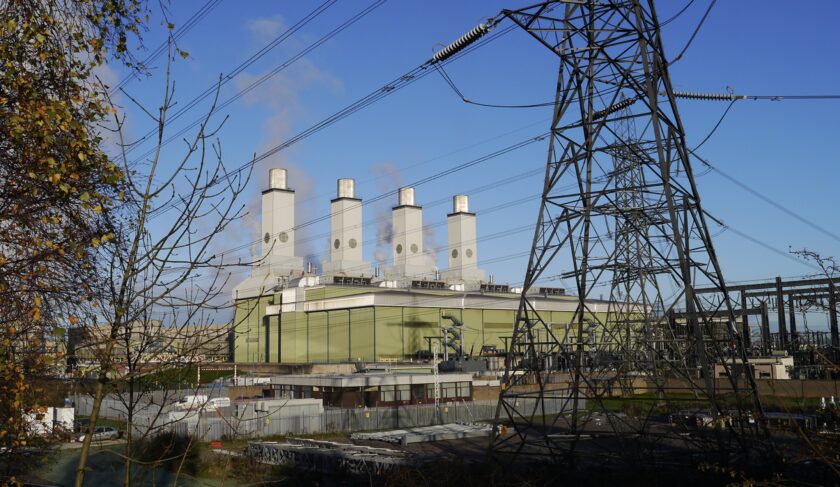
[Photo: Uniper]
Check live fuel prices near you before you set off.
Spotted something? Got a story? Email news (@) deeside.com

NEW: Add Deeside.com as a preferred source on Google to see more of our trusted coverage when you search.
Latest News