Safe and Effective Varicose Vein Treatments You Can Try
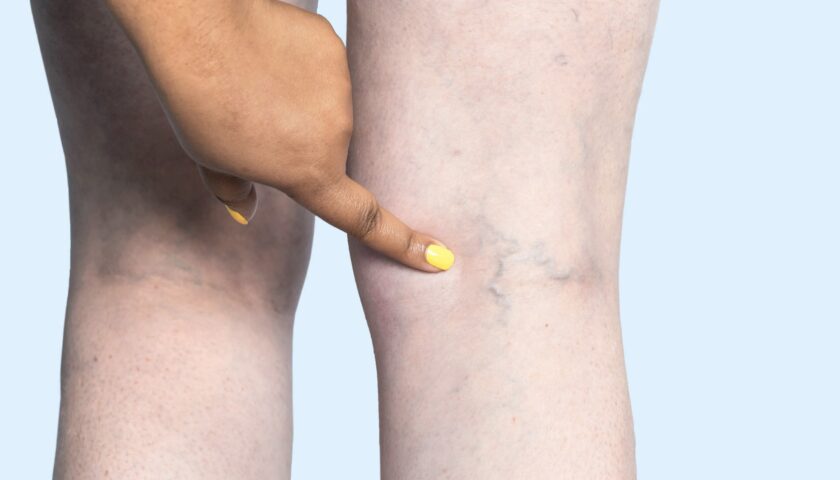
Varicose veins are more than just a cosmetic concern: they can impact our health and quality of life. At Metro Vein Centers, we understand that many of us may experience these twisted, swollen veins, often appearing on our legs. The good news is that a range of safe and effective treatments exists, from lifestyle changes to advanced medical procedures. In this text, we’ll explore these options and equip ourselves with the knowledge needed to make informed decisions about managing and treating varicose veins effectively.
Understanding Varicose Veins
Varicose veins, those bluish, bulging veins that often appear on our legs, can be a source of discomfort and embarrassment. But understanding their causes and symptoms is the first step toward effective treatment.
Causes and Risk Factors
Several factors contribute to the development of varicose veins. Genetics plays a significant role: if our parents had varicose veins, we’re more likely to experience them ourselves. Other risk factors include age, prolonged standing or sitting, obesity, and hormonal changes, particularly during pregnancy or menopause. It’s essential to understand that while we can’t change our genes, we can be proactive in managing other risk factors that may contribute to the problem.
Symptoms and Complications
The symptoms of varicose veins can range from mild to severe. While many experience no symptoms at all, common complaints include aching or heavy legs, swelling, and discomfort after prolonged periods of standing. In some cases, complications may arise, such as skin changes, ulcers, or even blood clots. Knowing these symptoms helps us identify when it’s time to seek treatment.
Traditional Treatment Options
When it comes to managing varicose veins, we often start with more traditional approaches. Here are some common strategies:
Lifestyle Changes and Home Remedies
Making simple lifestyle changes can significantly affect our vein health. Regular exercise, a balanced diet, and maintaining a healthy weight can reduce symptoms and prevent the progression of varicose veins. Also, home remedies such as elevating our legs, using essential oils, or incorporating herbal supplements like horse chestnut may provide relief. These natural strategies can serve as a valuable first step in our treatment journey.
Compression Therapy
Compression therapy is another effective option. This involves wearing specially designed stockings that apply pressure to our legs, helping improve circulation and reduce swelling. We can find these stockings in various styles and compression levels, ensuring we can find something comfortable that fits our lifestyle.
Medications and Supplements
In some cases, our healthcare provider may recommend medications or supplements to help manage varicose veins. Nonsteroidal anti-inflammatory drugs (NSAIDs) can ease pain and inflammation. Also, certain supplements, such as diosmin and hesperidin, have shown promise in improving circulation and reducing symptoms associated with varicose veins. But we should always consult our healthcare provider before starting any new medication or supplement to ensure it’s right for us.
Minimally Invasive Procedures
If lifestyle changes and traditional treatments don’t provide enough relief, we may want to explore minimally invasive procedures that offer quick recovery times and effective results.
Surgical Treatments
Various surgical treatments exist for varicose veins, including endovenous laser therapy (EVLT) and sclerotherapy. EVLT uses laser energy to close off affected veins, while sclerotherapy involves injecting a solution into the veins, which causes them to collapse and fade. Both options are typically outpatient procedures, allowing us to return home the same day. As with any medical intervention, we must discuss the potential risks and benefits with our doctor to determine the best course of action tailored to our needs.
When to Seek Medical Advice
While many of us may experience mild symptoms of varicose veins, there are times when it’s essential to seek medical advice. If we notice significant swelling, skin discoloration, or develop ulcers near our veins, it’s crucial to consult a healthcare professional. Also, if we experience severe pain or notice blood clots, we should seek immediate medical attention, as these can indicate more serious complications.
Conclusion
Addressing varicose veins doesn’t have to be daunting. With a variety of safe and effective treatments available, we can take proactive measures to improve our vein health. From simple lifestyle changes and compression therapies to advanced minimally invasive procedures, there’s likely an option that suits our needs. Let’s empower ourselves with knowledge and advocate for our vascular health, ensuring we live our lives more comfortably and confidently.
Check live fuel prices near you before you set off.
Spotted something? Got a story? Email news (@) deeside.com

NEW: Add Deeside.com as a preferred source on Google to see more of our trusted coverage when you search.
Latest News