Home cooking linked to lower dementia risk in older adults, research suggests
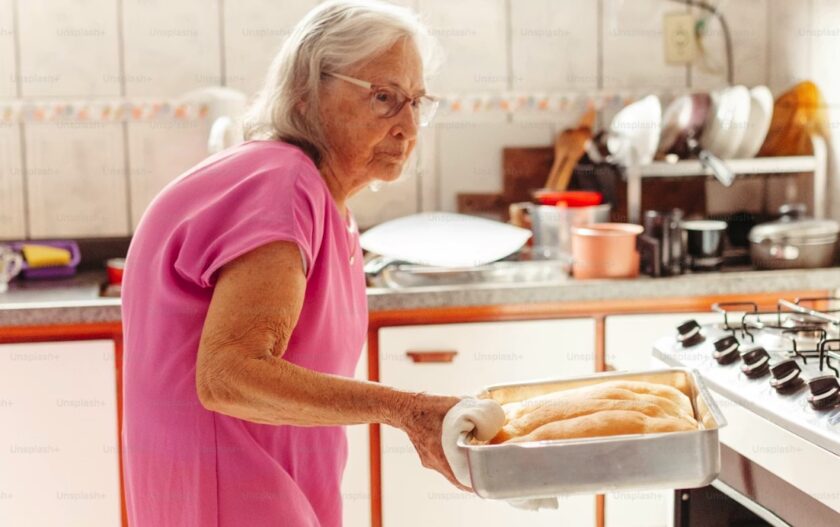
Older adults who cook at home at least once a week have a lower risk of developing dementia than those who rarely or never cook, according to a large study published in the Journal of Epidemiology and Community Health.
The research followed 10,978 people aged 65 and over in Japan for just over six years, recording 1,195 dementia cases during that period.
After matching participants with similar backgrounds and health profiles, the researchers found that cooking at least once a week was associated with a 23% lower dementia risk in men and a 27% lower risk in women compared with those who cooked less than once a week.
The biggest difference was seen among people who described themselves as having low cooking skills at the start of the study.
Among that group, those who cooked at least once a week had a 67% lower risk of dementia than low-skill participants who cooked rarely or not at all, with a subdistribution hazard ratio of 0.33 and a confidence interval of 0.13 to 0.84.
The researchers suggested this may be because cooking is a more mentally challenging activity for someone with little experience, and that novel, cognitively demanding tasks are associated with better brain health in later life.
The study is observational, which means it records associations rather than establishing causes, and independent experts have urged caution in interpreting the findings.
Dr Susan Kohlhaas, Executive Director of Research and Partnerships at Alzheimer’s Research UK, said the research suggests a possible link but cannot show that cooking itself directly influences whether someone develops the condition.
She said people who cook regularly may also have healthier diets, be more physically active and be in better overall health, all of which are linked to better brain health.
Dr Kohlhaas also raised the possibility that the relationship runs in the opposite direction: that people with early memory and thinking problems might lose the ability or motivation to cook, leading them to cook less often before a diagnosis is made.
Professor Eef Hogervorst, Professor of Biological Psychology and Director of Dementia Research at Loughborough University’s National Centre for Sports and Exercise Medicine, raised a similar concern, noting that weight loss has been recorded in some cohort studies two or more years before dementia diagnosis.
She said cooking involves a complex series of tasks including transport, handling money, organisation and memory, and that difficulties with those activities can be early signs of cognitive decline.
The study authors acknowledged that cooking habits were self-reported at a single point at the start of the study and may not reflect how behaviour changed over time.
They also noted that the findings may not apply outside Japan given differences between countries in diet, food preparation and lifestyle.
Alzheimer’s Research UK said there is good evidence that keeping active, eating well and staying socially connected can help support brain health.
Check live fuel prices near you before you set off.
Spotted something? Got a story? Email news (@) deeside.com

NEW: Add Deeside.com as a preferred source on Google to see more of our trusted coverage when you search.
Latest News