What Positive Sideline Culture Means for Youth Teams
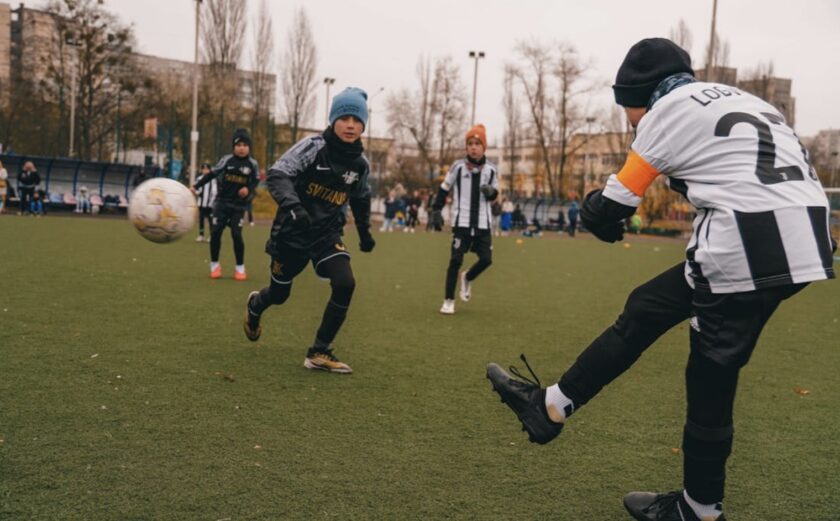
Youth sports can tell their own stories through the sidelines. At a given moment, the wave of negativity spreads, causing youth teams to crack under pressure. At another moment, the supportive cheers motivate them to fight harder and carry the day. Sports observers believe that off-the-pitch events are as crucial as those on the pitch. A culture of this kind develops not just athletes but also resilient and courteous people who adore the game and grow through it. Here are pertinent dimensions of what such a positive sideline culture means for youth teams.
Respectful Support Over Pressure
Replacing pressure with support is the first step toward a strong sideline. In contrast, the parents and other spectators would allow the athletes to experiment, learn, and stay motivated as they stumbled upon their errors. As suggested by the Football Association of Wales (FAW) manual on youth engagement, a ‘safe-to-fail’ environment promotes skill and self-esteem.
Once again, positive sideline behavior is instrumental in imparting lessons in emotional maturity. Kids actually tend to feed off the energy put forth by their supporters. Composure from the adult end helps the children deal with their own frustrations and disappointments. If parents focus on effort and not on results, then the whole process gives value to growth and fun, rather than just a dire pursuit of perfection.
Constructive Motivation and Cheerleading
Motivation from the sidelines should be uplifting and inclusive. The intent is to celebrate progress without every match becoming a test of worth. Parents can consider curated cheerleading quotes to inspire positive energy. These collections have age-appropriate lines that can help lift morale without putting undue pressure on the players.
Moreover, this involves acknowledging the work of a whole team rather than just the individual’s glory. Encouraging team spirit and sportsmanship teaches kids that their contributions, support, and cooperation are valued as much as medals and goals.
Language Motivation and Volume Management
Every word from the margins bears significance. Too much yelling can sometimes make the young player intimidated or humiliated, even if it is for good reasons. Sport Wales advises coaches and parents to establish participation ground rules in the communication process. This also means calm tones, brief encouragement, and not giving tactical advice while physically in the game.
Tone is important. Commenting on attempted moves, such as saying, “great try” or “keep going,” is building resilience and cooperation. Negative comments are usually remembered much longer by the athletes, long after the matches. Teams adhering firmly to sideline behavior codes tend to maintain their focus and exercise very few emotional outbursts during their matches.
Building Resilience Without Pressure
Resilience comes when young players negotiate the struggle and do so positively. An overbearing or nervous sideline would prevent that growth by rushing in either to help or amplify disappointment. The FAW’s youth development programs say, “Resilient athletes are made through guided independence,” where mistakes are viewed as lessons and not failures.
Balanced sideline culture helps players gain self-trust. When the adults demonstrate patience and perspective, they teach youth that success comes with consistency and self-belief, and not continuous validation. In the end, the positive sideline culture makes sure that every child walks away from the field with more confidence than when they entered.
Inclusivity and Emotional Safety
The sidelines culture should promote an incredible feeling of safety. A psychologically safe sideline culture should include everyone, whether or not the kid is new to the sport, shy, or neurodivergent. It is the inclusive behaviour expected from the crowd that usually governs how safe or unsafe these children feel about participation.
The inclusivity factor also extends to families. Spectators modeling empathy and respect help develop a whole community that fosters the well-being of all participants. Coaches might lead quick pre-season meetings to remind supporters of how crucial emotional safety is: on par with physical safety.
Endnote
A great positive sideline culture is an underlying foundation for youth sports on a long-term walk to growth, enjoyment, and emotional well-being. When encouraged, inclusive, and composed, adults nurture young players into resilient graduates of life far beyond the closed walls of the game. Through respecting and maintaining balanced motivation, the teams create environments in which every child feels valued, appreciated, and even more inspired to keep playing.
Check live fuel prices near you before you set off.
Spotted something? Got a story? Email news (@) deeside.com

NEW: Add Deeside.com as a preferred source on Google to see more of our trusted coverage when you search.
Latest News