Welsh councillors could get ‘resettlement’ payment to help return to normal life if they lose elections
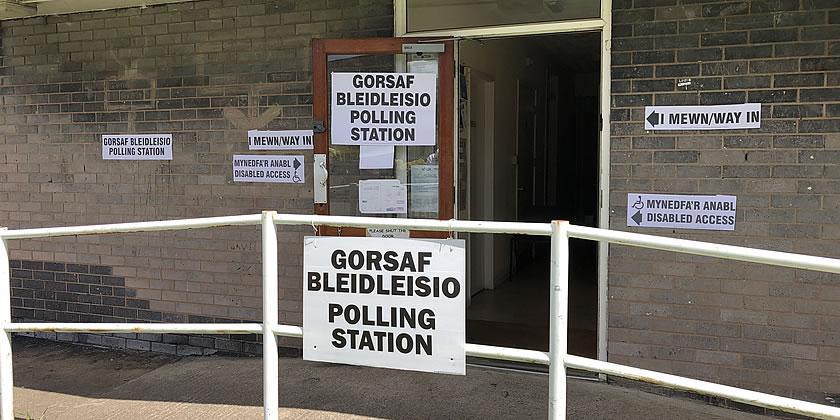
A little-known provision in Welsh law allowing for “resettlement payments” to councillors who lose their seats is attracting new policy attention.
The Democracy and Boundary Commission Cymru (DBCC) has said it will be reviewing the resettlement payment policy, which could in future include local councillors.
The Democracy and Boundary Commission Cymru etc. Act 2013 defines a resettlement payment as money payable to anyone who ceases to be a member of a local authority at the end of their term of office.
The Act also places a duty on the commission to consider how such a scheme might operate.
The commission said its forthcoming work will include a briefing to the Welsh Government on what it considers would be an appropriate payment framework.
At UK level, Members of Parliament receive a “Loss of Office Payment” when they leave Parliament involuntarily. In the Senedd, Members who stand down or lose their seat are entitled to a resettlement grant.
Similar arrangements exist for MSPs in Scotland and MLAs in Northern Ireland.
In England, no universal severance exists for councillors, although some directly elected mayors and Police and Crime Commissioners have opted-in schemes.
Supporters of the proposal argue that the absence of any such payment in Wales may discourage some people from standing for election, particularly those who depend on their council income.
Opponents, however, argue that councillors are elected representatives, not employees, and that losing a seat is a natural consequence of democracy rather than grounds for a payout.
That latter view was strongly expressed by Flintshire councillors this week during a meeting of the council’s Constitution and Democratic Services Committee.
The committee was considering the DBCC’s draft report, which also proposed a 6.4% pay rise for councillors from April.
The increase would raise the basic allowance from £19,771 to £21,044, and the Leader’s salary from £66,727 to £71,025.
Cllr Andrew Parkhurst, leader of the council’s Liberal Democrat group, criticised the proposals, describing them as “out of touch with reality”.
He said: “Proposing a 6.4% increase for councillors may well link in with average earnings in Wales, but at a time when local authorities are facing almost bankruptcy in some cases that doesn’t sit comfortably. I think that any increase above inflation is very hard to justify.”
According to official figures, UK inflation over the 12 months to August 2025 was around 4%.
Cllr Sean Bibby of the Labour group agreed, saying any increase in allowances should be tied to the National Joint Council (NJC) pay agreement known as the Green Book.
“If there is an increase in our allowances it should be tied to the same increases that the people who collect our bins, the cleaners, carers and clerical staff receive,” he said.
Both councillors also rejected the idea of resettlement payments outright.
Cllr Parkhurst said: “Having parachute payments will only encourage people to stand just to seek a payment when they don’t get elected. I don’t think that’s the right thing to do. I think we should be resisting that.”
Cllr Bibby added: “Ultimately if you lose an election, the voters have sacked you. I don’t think there’s any industry where they give you a payment for getting the sack. If you lose an election, tough. You’ve lost the confidence of the people who voted.”
The committee agreed unanimously to feed back its concerns to the Democracy and Boundary Commission Cymru.
Check live fuel prices near you before you set off.
Spotted something? Got a story? Email news (@) deeside.com

NEW: Add Deeside.com as a preferred source on Google to see more of our trusted coverage when you search.
Latest News