Still waiting months for a driving test? Here’s why
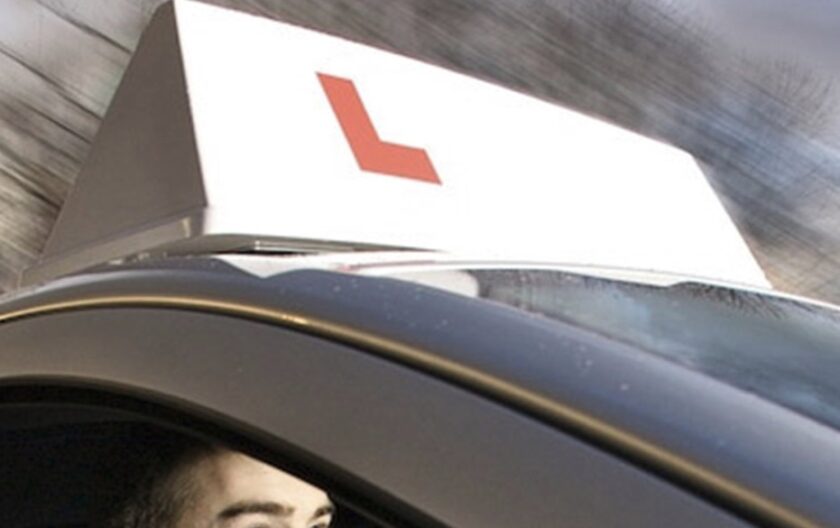
Average waiting times for car practical driving tests in Great Britain stood at 22 weeks in September 2025, according to a new report from the National Audit Office (NAO).
The watchdog said the Driver and Vehicle Standards Agency (DVSA) does not expect to reduce waiting times to its long-standing target of seven weeks until November 2027, almost five years after the disruption caused by the COVID-19 pandemic.
The report found that 70% of DVSA’s 240 permanent driving test centres were operating at the maximum 24-week booking limit. Before the pandemic, average waiting times were just over five weeks. Driving tests were suspended for extended periods between March 2020 and April 2021 due to lockdown restrictions.
According to the NAO, DVSA estimates it was unable to carry out around 1.1 million tests during the 2020–21 financial year, and around 360,000 of those tests have yet to be booked.
The report also highlighted ongoing difficulties in recruiting and retaining driving examiners. Despite 19 recruitment campaigns since 2021, DVSA had only 83 more full-time equivalent examiners in post by September 2025, well below the level required to significantly reduce waiting times.
Prolonged waits have also contributed to the growth of third-party booking services. Around one in three learners surveyed by DVSA said they had used third parties to secure a test slot, with some paying up to £500 for a test that officially costs £62 on a weekday.
The NAO said the agency has struggled to assess true demand because automated software, or bots, is being used by third parties to secure available test slots as soon as they appear online.
Gareth Davies, the Comptroller and Auditor General, said:
“The current system for providing driving tests in England, Scotland and Wales is not working satisfactorily, with long waiting times and exploitation of learner drivers by resellers of test slots.”
The Driving Instructors Association (DIA) said the report reflected long-standing concerns within the driver training sector about examiner shortages and test availability.
DIA chief executive Carly Brookfield said: “We welcome the NAO’s report on test waiting times, as it brings necessary scrutiny to bear on not only DVSA’s lack of progress on these issues, but also the slowness of ministers in supporting the agency in actions which would have had a more meaningful impact.”
She said examiner recruitment and retention remained the core constraint on increasing the number of tests available, and that changes to booking rules alone would not resolve the backlog.
In response to the continuing delays, the Department for Transport has announced Beverley Warmington as the new DVSA Chief Executive. She will take up the role on 5 January 2026, replacing Loveday Ryder, who has led the agency since January 2021.
Ms Warmington, who currently serves as Area Director for London, Essex and Eastern England at the Department for Work and Pensions, has almost two decades of operational leadership experience.
She will lead delivery of the government’s seven-point plan to reduce test waiting times, including the use of military driving examiners, overtime incentives for DVSA staff and tighter controls on test booking rules.
Minister for Roads and Buses, Simon Lightwood, said:
“Driving is more than just a means of transport; it is a lifeline for many, opening doors to jobs, opportunities and ultimately contributing to the growth of our economy.
“Beverley Warmington brings a wealth of operational leadership experience with her. I have every confidence she will grip the driving test backlog and robustly oversee the reforms needed to ensure learners can get on the road when they are truly ready and safe to do so.”
The NAO concluded that decisive action is still needed to restore confidence in the driving test system across England, Scotland and Wales.
Check live fuel prices near you before you set off.
Spotted something? Got a story? Email news (@) deeside.com

NEW: Add Deeside.com as a preferred source on Google to see more of our trusted coverage when you search.
Latest News