Rare Chester Zoo arrival captured on camera for first time
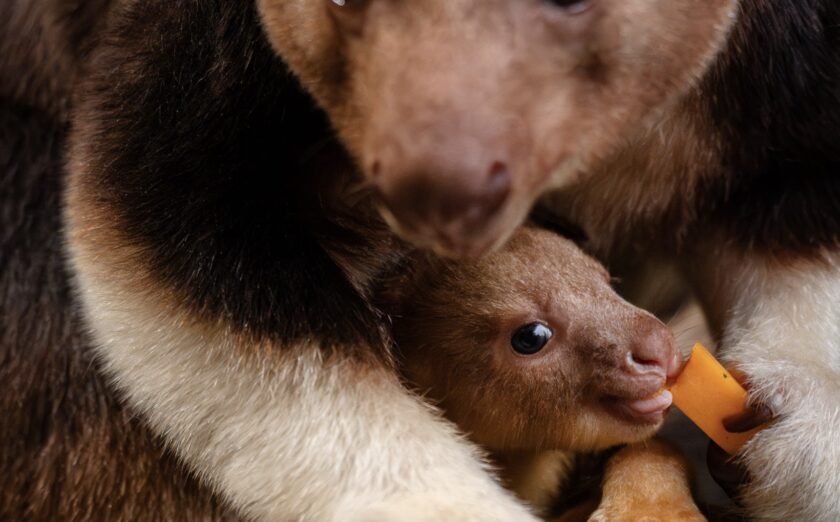
A rare Goodfellow’s tree kangaroo joey has made its first appearance at Chester Zoo, in what conservationists describe as a major success for one of the planet’s most threatened species.
The tiny marsupial, born to mother Kitawa and father Kayjo, has spent the past few months developing inside its mother’s pouch.
The zoo has released images showing the joey’s early development, captured using miniature endoscopic cameras, offering new insight into the secretive early life of the species.
Weighing just 1.85kg, the young joey was no bigger than a jellybean at birth. It is only the second time Chester Zoo has successfully bred a Goodfellow’s tree kangaroo, with just two UK zoos currently caring for the species.
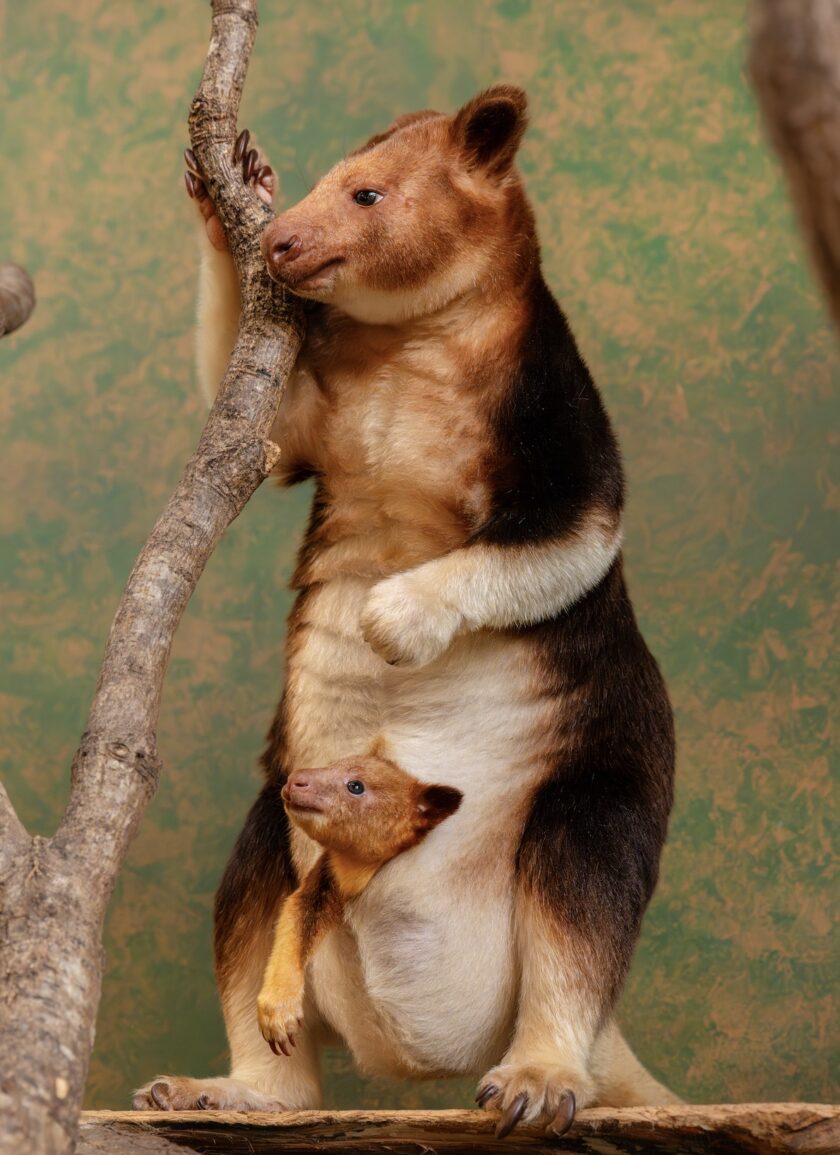
Matthew Lloyd, a tree kangaroo expert at Chester Zoo, said: “When people think of kangaroos, they rarely imagine small, fluffy animals living high in the treetops. With so little known about tree kangaroos, Kitawa’s joey is a particularly special arrival, and represents a major step forward in understanding and protecting this remarkable species from extinction.
“Being able to carefully track this joey’s development inside the pouch using tiny cameras wasn’t possible only a few years ago. It’s already helped us learn more about the early stages of life inside the pouch – knowledge that can now support, and hopefully speed up, conservation breeding efforts globally.”
The species is found only in the forests of Papua New Guinea and is classed as Endangered by the International Union for Conservation of Nature (IUCN). Populations in the wild have fallen by around 50% due to hunting and deforestation.
David White, Team Manager at Chester Zoo, said: “Goodfellow’s tree kangaroos don’t breed quickly, as a joey is a huge energy investment for the mother. This is one of the reasons they are disappearing from the forests of Papua New Guinea – they just can’t keep up with numbers being lost to hunting and deforestation.
“That’s why every birth like this is incredibly important. Everything we’ve learned so far will help conservationists around the world in securing a future for this magnificent species.”
The successful birth follows hormone monitoring carried out in the zoo’s on-site science laboratory – the only facility of its kind at a zoo in Europe. The data helped identify the best time to pair Kitawa and Kayjo as part of a European breeding programme aimed at maintaining a healthy, genetically diverse population.
Visitors to the zoo’s Islands zone may now spot the joey beginning to peek from its mother’s pouch as it grows in confidence.
Check live fuel prices near you before you set off.
Spotted something? Got a story? Email news (@) deeside.com

NEW: Add Deeside.com as a preferred source on Google to see more of our trusted coverage when you search.
Latest News