North Wales MS urges compassionate support for grieving families
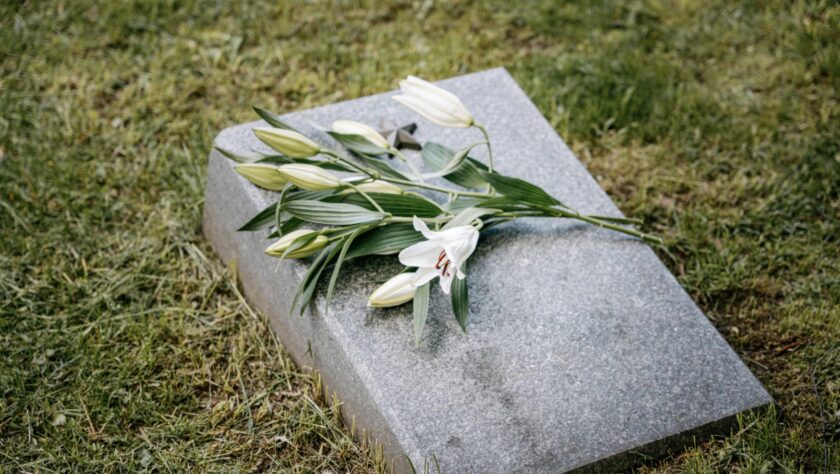
North Wales MS Mark Isherwood has urged the Welsh Government to improve bereavement care across Wales, describing current provision as inconsistent and under-resourced.
Speaking at the Wales Bereavement and Mental Wellbeing Conference, hosted by White Rose Funerals & Memorials, Mr Isherwood said the event aimed to transform how Wales supports grieving families and address long-standing gaps in care.
“This is a direct result of extensive experience on the front lines of grief, of the firsthand witnessing of the systemic gaps in support for diverse communities, and of the urgent need for a more compassionate, well-equipped system,” he said.
“This is not merely a forum for discussion; it is a movement to drive concrete, national-level change.”
He said that many families across Wales face distressing delays in burials and cremations due to limited mortuary capacity and a shortage of medical examiners, describing how such issues are “compounding grief and disrupting cultural and religious practices”.
“Wales faces diminishing forensic capacity, risking costly outsourcing to England and further delays,” he said. “To address this, Councils need to expand urgent burial and cremation schemes, including ‘at-need’ and stock graves, and integrate same-day or next-day cremations into public provision.”
Mr Isherwood linked bereavement care to wider concerns about suicide prevention. “Suicide remains the leading cause of death for people under 35, with 7,055 deaths registered in 2023 across the UK, including 6,069 in England and Wales alone — the highest number since 1999,” he said.
“This context underscores the urgent need for robust suicide intervention, bereavement support, and community resilience.”
He praised the work of charities such as 2 Wish, Cruse Bereavement Care, and PAPYRUS, which support families affected by loss and suicide, but warned that most receive little or no statutory funding.
Mr Isherwood also raised concerns about wider pressures on hospices and mental health services. “Every Hospice in Wales is forecasting a deficit for this financial year,” he said. “When hospices struggle to keep beds open, it’s not only end-of-life care that suffers – bereavement support for families before and after the death of a loved one is weakened too.”
He added that Wales remains “the only UK country without a Deaf mental health service” despite evidence that Deaf people are twice as likely to experience mental health problems as hearing populations.
Families in rural and underserved areas, he said, face inconsistent access to care, while a lack of cultural sensitivity can worsen isolation. “When support is delayed or inappropriate, the risks of complicated grief, depression, and even suicide increase—and broken trust means families may avoid seeking help in future crises.”
Mr Isherwood called for interpreter services, culturally sensitive counselling, multilingual materials and bereavement liaison officers in every health board. He said bereavement professionals, coroners’ staff and registrars should receive cultural competence training to ensure inclusive and compassionate care.
“Bereavement support is not a luxury,” he said. “It is a lifeline. It can prevent further tragedy. It can help families navigate unimaginable pain and find hope again, and it must be recognised as a core element of suicide prevention.”
“So let us make today a turning point. Let us commit – not just in words, but in action – to building a Wales where mental health is taken seriously, where bereavement support is available, and where no one feels they have to face their struggles alone.”
Check live fuel prices near you before you set off.
Spotted something? Got a story? Email news (@) deeside.com

NEW: Add Deeside.com as a preferred source on Google to see more of our trusted coverage when you search.
Latest News