July energy price cap forecast to reach £1,929 as analysts warn rise is unavoidable
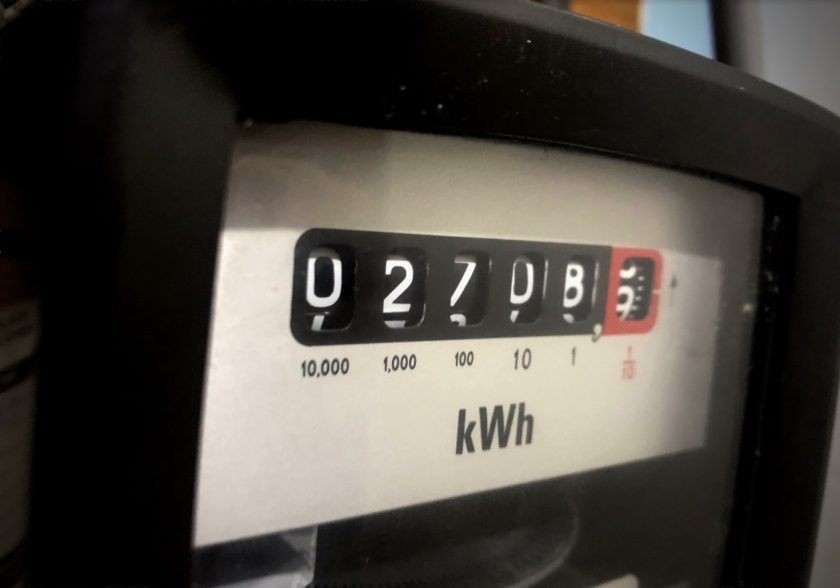
Energy bills for households across Flintshire are forecast to rise by around £288 in July, according to new predictions from energy analysts Cornwall Insight.
The firm is forecasting the default energy price cap will reach £1,929 a year for a typical dual-fuel household from July, up 18% on the current April 2026 level of £1,641.
The forecast has fallen slightly in recent days, down £44 since 19 March, after a partial steadying in wholesale energy markets following a pause in energy infrastructure strikes and signals of a potential ceasefire in the Middle East conflict.
Wholesale gas prices surged after the conflict disrupted tankers moving through the Strait of Hormuz, a major route for global liquefied natural gas, and damaged oil and gas facilities in the Gulf.
Cornwall Insight says some of the July increase is now effectively unavoidable, because Ofgem uses a set observation window to calculate the wholesale element of the cap, and that window is now at its midpoint.
Price rises seen during March are already factored into that calculation, meaning wholesale prices would need to fall below pre-conflict levels for the July cap to come in lower, which the firm says looks unlikely given the scale of infrastructure damage and uncertainty over repair timelines.
Dr Craig Lowrey, Principal Consultant at Cornwall Insight, said: “Over a month into the Middle East conflict, energy markets are experiencing the kind of volatility not seen since 2022.”
“With Ofgem’s price cap announcement just weeks away, infrastructure damage and continued disruption to marine traffic through the Strait of Hormuz are limiting the potential for any meaningful wholesale price fall.”
“As a result, some of the increase is already effectively baked in. A rise in July is pretty much unavoidable, but how high prices go remains to be seen.”
“There is some relief in the timing, summer is when energy demand is at its lowest, which should soften the impact on household expenditure on energy.”
“If higher wholesale prices continue, it will be the effects on the October cap that have the most impact, and that is when the question of government support for households is likely to be revisited.”
Cornwall Insight noted that current wholesale costs remain well below the extremes of 2022, meaning the scale of the current situation is not yet comparable to the price shock households faced three years ago.
Ofgem has not yet announced the July cap level. The price cap sets the maximum a supplier can charge for each unit of energy and applies to households on default tariffs across England, Scotland and Wales.
Check live fuel prices near you before you set off.
Spotted something? Got a story? Email news (@) deeside.com

NEW: Add Deeside.com as a preferred source on Google to see more of our trusted coverage when you search.
Latest News