Fuel margins remain high despite lower prices, watchdog says
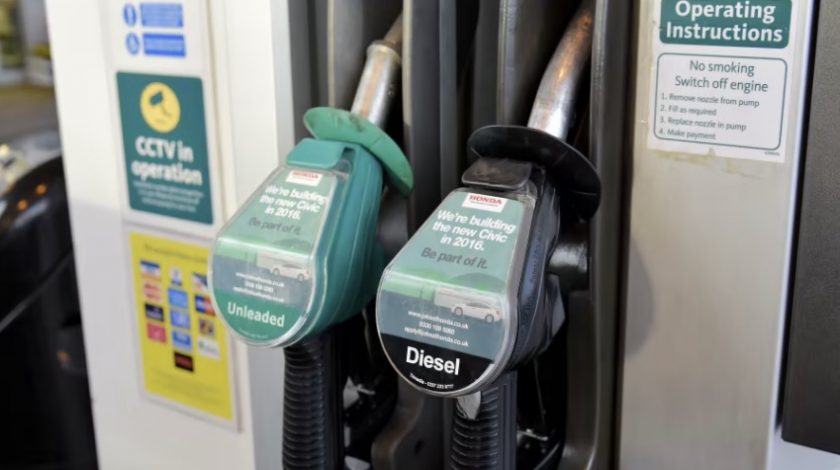
Fuel margins remain at persistently high levels and this cannot be explained by operating costs, according to new analysis published by the Competition and Markets Authority.
In its first annual road fuel monitoring report under new statutory powers, the CMA said fuel retailer profitability remains elevated despite pump prices falling over the past year.
The watchdog said this suggests competition in the road fuel market remains weak.
The report, published today, 22 December, analyses developments in the UK road fuel market up to October 2025.
It follows an earlier CMA market study which recommended new measures to improve competition and help drivers access cheaper fuel.
Fuel prices for both petrol and diesel fell between November 2024 and October 2025.
The CMA said this was driven by changes in crude oil prices, exchange rates and refining spreads.
Over that period, the average price of petrol was 135 pence per litre, around 8 pence lower than the previous year.
The average price of diesel was 142 pence per litre, also 8 pence lower year on year.
Despite this, the CMA found fuel margins remain above historic levels.
Average margins for supermarket fuel retailers fell from a peak of 10.9 pence per litre in 2022 to 9.6 pence per litre in the year to date up to September 2025. Margins for non-supermarket fuel retailers increased to 11.1 pence per litre, compared with 10.8 pence per litre the previous year.
The watchdog said rising operating costs do not explain the continued high margins.
It found operating profit margins for large fuel retailers are increasing, when falling or flat margins would be expected if costs were significantly affecting profitability.
The CMA also examined retail spreads, which compare pump prices with the benchmark price retailers pay for fuel.
Between November 2024 and October 2025, petrol and diesel retail spreads averaged 13.9 pence per litre and 14.6 pence per litre respectively.
While lower than the previous year, both remain well above pre-pandemic averages.
As part of its response, the CMA confirmed a new fuel finder scheme is due to launch next year.
The scheme will allow drivers to compare real-time fuel prices through apps and comparison websites, with the aim of increasing competition between retailers.
Dan Turnbull, Senior Director of Markets at the CMA, said: “Fuel margins remain at persistently high levels – and our new analysis shows operating costs do not explain this. This indicates competition in the sector is weak – if it was working well, drivers could see lower prices at the pump.
“We know fuel costs are a big issue for drivers, especially at this time of year with millions making journeys across the country. This is why the fuel finder scheme is crucial – it will put power back in the hands of motorists and save households money.”
RAC head of policy Simon Williams said: “Sadly, many drivers won’t be surprised to hear that they’re still paying too much for their fuel, especially judging by the complaints we receive about large price variations from area to area.
“The fuel retailers trade association has claimed that rising operating costs were the reason for average margins on petrol and diesel being higher, but this has now been clearly rejected by the Competition and Markets Authority which says these don’t explain why fuel margins remain high compared to historic levels.
“We sincerely hope the new fuel finder scheme, combined with ongoing scrutiny from the CMA, finally leads to increased competition and lower forecourt prices for drivers right across the country.”
The CMA also published new enforcement guidance setting out how it will ensure retailers comply with fuel finder regulations.
It said that until at least May 2026 its focus will be on supporting compliance rather than taking enforcement action.
Check live fuel prices near you before you set off.
Spotted something? Got a story? Email news (@) deeside.com

NEW: Add Deeside.com as a preferred source on Google to see more of our trusted coverage when you search.
Latest News