Frequent 999 callers get targeted help from Welsh Ambulance Service team
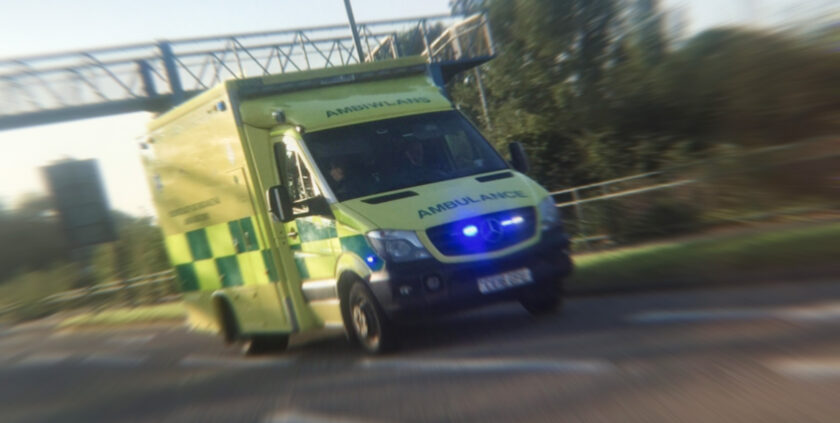
A dedicated Welsh Ambulance Service team is helping frequent callers to find the right support.
A frequent caller is someone who makes repeated 999 calls, often because of complex health or social care needs, but who may not be receiving the right kind of support from existing services.
Typically, these individuals are disengaged from their GP or other community services but have genuine needs that require targeted, coordinated care planning rather than repeated ambulance attendance.
Last year, more than 1,300 people in Wales were identified as high intensity users. In a single month, they made 8,857 calls between them, taking up more than 9,000 hours of ambulance response time.
After four months of intervention by the High Intensity Service User (HISU) team, those figures fell to 2,220 calls and 1,996 hours of ambulance time.
Greg Lloyd, Assistant Director of Clinical Delivery, said: “Many of the people we see as frequent callers are often really vulnerable and in genuine need of support.
“Our High Intensity Service User team works in partnership with GPs, mental health services, social care, police and third sector organisations to ensure these patients receive the appropriate, safe and sustainable care they deserve.
“By addressing unmet needs and coordinating across agencies, we’ve also been able to save literally thousands of ambulance hours, which in turn has freed up crews to attend genuine emergencies.”
Each case is overseen by a Clinical Support Lead who coordinates multi-agency meetings to make sure all partners work together to protect the patient’s welfare.
The team also works with specialist clinicians within the service to develop care plans for paramedics and nurses in the control room to better support frequent callers.
Among those supported last year was an elderly man living alone who made more than a dozen calls to the ambulance service in two months following his discharge from a community hospital.
Working with his GP and social services, the team arranged extra help including hand and bed rails to reduce his risk of falling. After that intervention, he made no further 999 calls for the rest of the year.
In another case, a young woman in supported living accommodation who made over 80 calls in nine months received further support from her GP, consultant psychiatrist and social worker. She made just eight calls in the three months that followed.
Greg added: “Our team’s work with high intensity users demonstrates that with the right approach, frequent callers can receive the care they need without repeatedly turning to emergency services.
“This work demonstrates how collaboration and compassionate, tailored support can transform lives and relieve pressure on emergency services.”
Check live fuel prices near you before you set off.
Spotted something? Got a story? Email news (@) deeside.com

NEW: Add Deeside.com as a preferred source on Google to see more of our trusted coverage when you search.
Latest News