Flintshire Council plans to use empty Holywell bank as temporary homeless accommodation
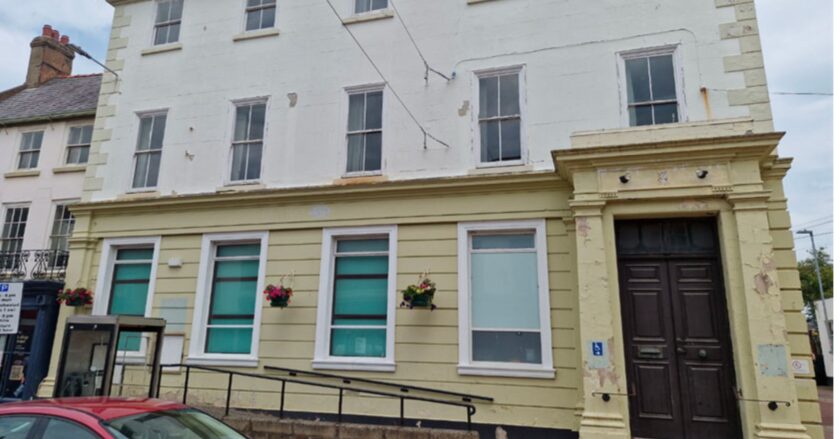
Flintshire County Council has been given planning permission to convert a Grade II listed former bank on Holywell High Street into temporary accommodation for homeless people, nine years after the building was last used.
The former HSBC bank at 17 High Street has stood empty since 2017 and has been in slow decline since, with surveyors finding a collapsed rear staircase, dry rot, and water damage inside the building.
Flintshire County Council, which owns the building, submitted the application itself through its Housing and Assets Team.
Four self-contained apartments are planned on the first and second floors, to be used as temporary accommodation for people who are homeless.
The ground floor banking hall will be converted into a retail unit for a charity selling refurbished white goods and furniture.
The basement will be used for storage.
Architects Ainsley Gommon Architects, based in Hawarden, designed the scheme on behalf of the council.
The building’s external appearance will not change.
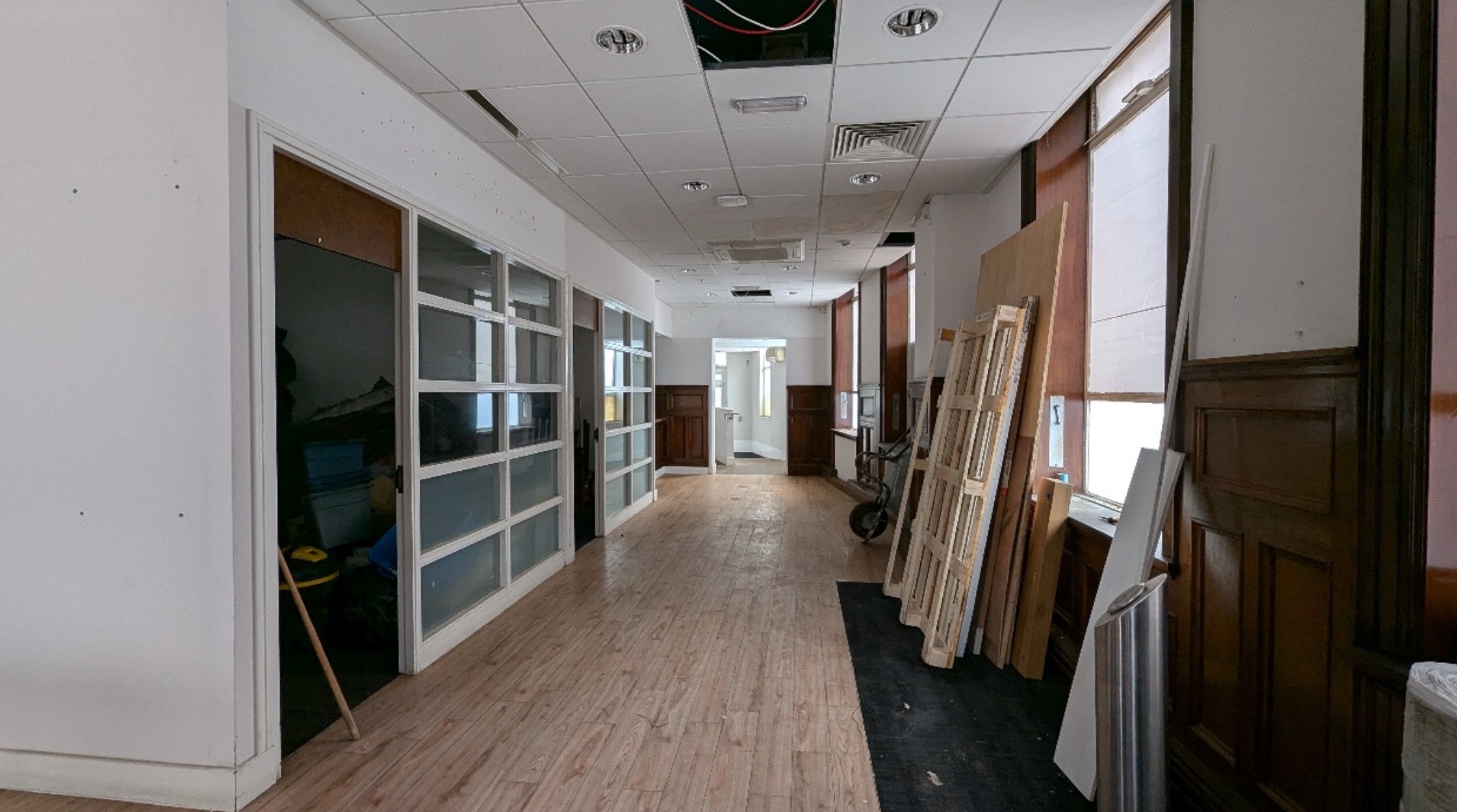
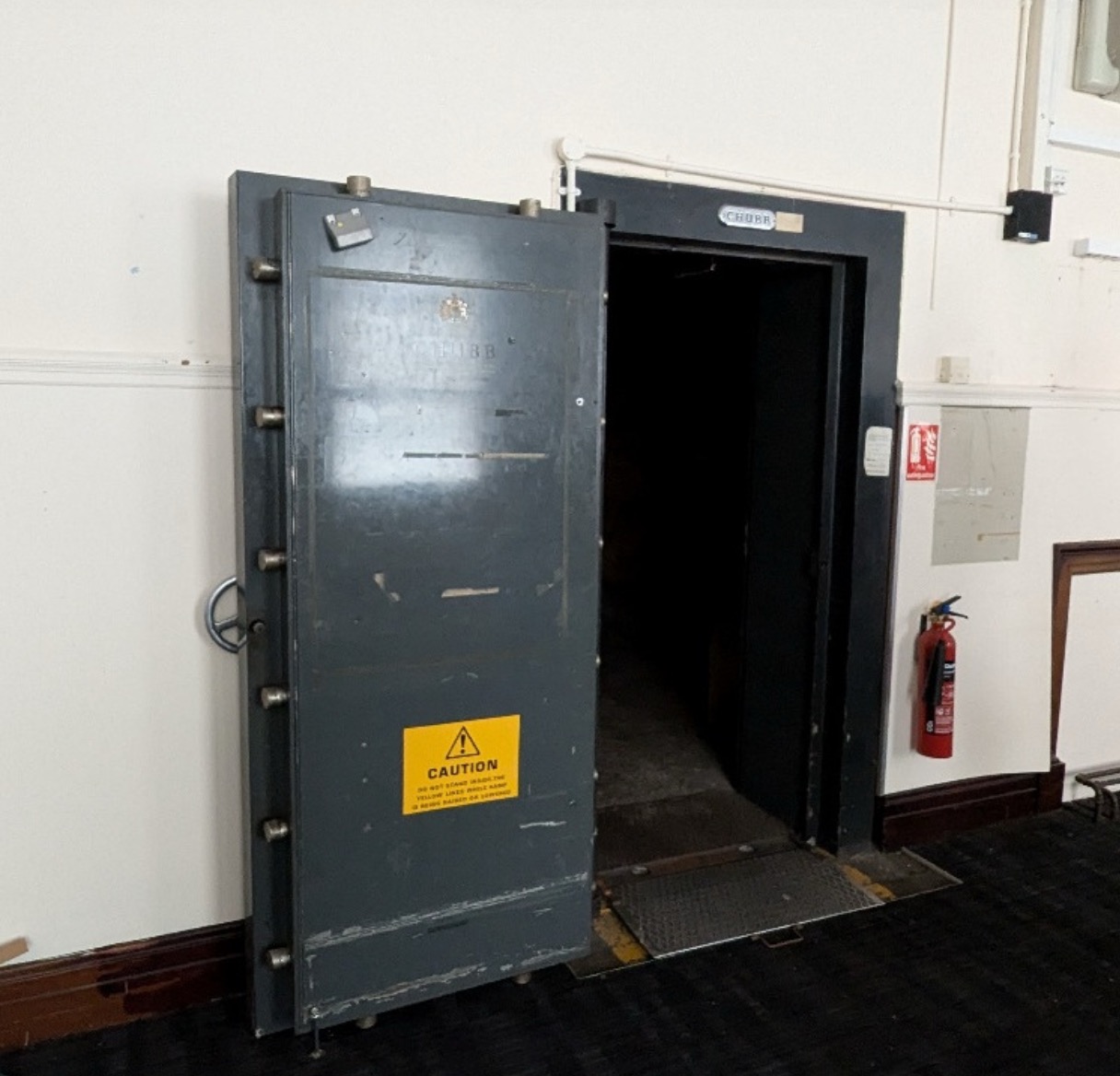
Several original features inside the building are to be kept, including the HSBC bank counter, which will be repurposed as the retail unit’s front desk, original timber wall panelling, the bank vault door, two fireplaces on the second floor, and the main staircase.
Surveyors found an ornate stucco ceiling on the ground floor still in place above a modern suspended ceiling fitted during the building’s bank years.
The building dates to the mid-1700s, when it was The White Horse Inn, one of the coaching stops on the old London to Holyhead road.
Princess Victoria, later Queen Victoria, stayed there in 1832.
It was converted into a bank in 1872 by builder Thomas Hughes, becoming the North and South Wales Bank before that merged with the Midland in 1908.
Further changes were made in 1923 and the building was used as a bank under several names until HSBC vacated it in 2017.
The heritage impact assessment submitted with the application described the building’s condition as deteriorating and said leaving it empty was detrimental to the High Street.
A planning condition requires the council to submit details of how part of the original strong room will be demolished before work begins, to ensure no damage is caused to the listed building.
Listed building consent is also required separately for internal alterations to the protected structure.
Check live fuel prices near you before you set off.
Spotted something? Got a story? Email news (@) deeside.com

NEW: Add Deeside.com as a preferred source on Google to see more of our trusted coverage when you search.
Latest News