Understanding and Following New Driving Safety Regulations: How to Stay Safe on the Road

UK drivers are facing significantly stricter rules on mobile phone use and updated motorway controls and while these changes might end up saving lives, they can be confusing to negotiate for long-term and new drivers alike.
Since March 2022, any use of a handheld device behind the wheel carries a fixed penalty of £200 and six points on your licence, even if you are stopped at traffic lights or the engine is idle. New drivers risk losing their licence after just one offence, while others may face disqualification for accumulating six points.

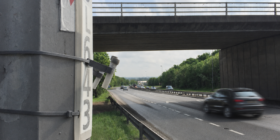
Enforcement has become more robust thanks to AI-powered cameras that detect phone use and seatbelt offences even at night or in poor weather. The Highway Code rule requiring drivers to yield to pedestrians waiting at junctions is also more strictly enforced, with penalties of up to £5,000 or nine points for careless driving. Staying current with DVSA updates and government guidance will help you avoid fines and protect yourself on the road.
Develop Safe Driving Habits for All Weather and Traffic Conditions
UK weather is unpredictable. Bright sunshine can quickly turn into driving rain or early fog, so adjusting your driving habits is essential. Slow down in wet conditions to preserve grip, use fog lights only when visibility drops, and maintain a safe distance from other vehicles. Stay patient in traffic and avoid lane weaving or sudden braking. Small, mindful adjustments (like reducing speed in poor light or rain) give you more time to react and reduce accident risks.
Prioritise Regular Car Maintenance and Pre-Trip Safety Checks
Well-maintained vehicles are safer on the road. Before every trip, check your tyres for sufficient tread depth and correct pressure. Ensure your brakes and lights are functioning and top up essential fluids like engine oil and windscreen washer. At the start of each journey, take a moment for a quick glance at key components. These checks help you identify potential problems and fix them before they become safety risks.
Be Prepared with the Right Insurance, Including Temporary Car Insurance
Appropriate insurance is essential for road safety and security. In certain situations (like borrowing a vehicle or going on a short business trip) temporary car insurance can offer flexible protection. Such policies may be active for as little as one hour or extend up to 28 days. They are quick to set up, often allow same-day coverage, and usually do not affect the vehicle owner’s No Claims Discount. This flexibility ensures safe driving even in unexpected circumstances, without the commitment of traditional annual coverage.
Final Thoughts
Keeping safe on UK roads is about following current regulations, adapting to weather and traffic conditions, maintaining your vehicle, and having suitable insurance for all situations. Regular education and sensible habits offer strong protection, particularly when you stay informed, drive considerately, and prepare appropriately for your journey.
Check live fuel prices near you before you set off.
Spotted something? Got a story? Email news (@) deeside.com

NEW: Add Deeside.com as a preferred source on Google to see more of our trusted coverage when you search.
Latest News