Top 10 Fleet Management Products and Solutions
Fleet management is vital for enhancing the efficiency of local businesses. By optimising vehicle operations, companies can reduce costs and improve service delivery. Leveraging technology in fleet management offers a competitive edge in today’s business landscape.
Fleet management is essential for local businesses aiming to streamline operations and increase efficiency. It involves using technology to manage vehicle operations, ensuring resources are utilised effectively. By optimising fleet operations, businesses can reduce operational costs, improve customer satisfaction, and enhance productivity. Implementing effective fleet management practices is crucial for maintaining competitiveness in today’s market. One of the leading solutions in this field is fleetsmart.co.uk, which provides comprehensive tools for efficient fleet management.
1. Vehicle Tracking Systems
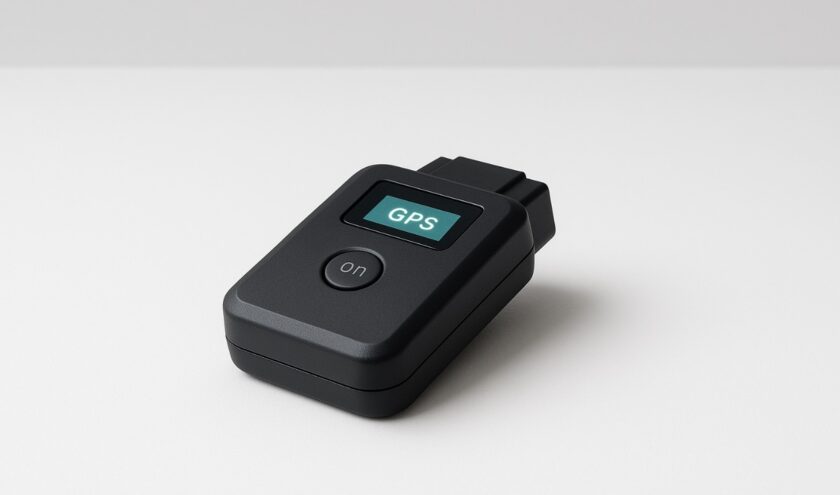
Vehicle tracking systems are a cornerstone of modern fleet management. These systems allow businesses to monitor real-time locations, reducing downtime and increasing accountability. They provide insights into vehicle usage patterns, helping to optimise routes and reduce fuel consumption. By implementing vehicle tracking, companies can enhance operational efficiency and improve service delivery.
2. Maintenance Scheduling Software
Maintenance scheduling software ensures vehicles are serviced regularly, preventing breakdowns and prolonging their lifespan. This software automates the scheduling of routine maintenance tasks, reducing the risk of unexpected repairs and downtime. By keeping vehicles in optimal condition, businesses can maintain a reliable fleet and avoid costly disruptions.
3. Route Optimisation Tools
Route optimisation tools help businesses plan the most efficient paths for their vehicles, saving time and fuel costs. These tools analyse traffic patterns and road conditions to suggest optimal routes, ensuring timely deliveries and pickups. By minimising travel distances, companies can reduce their environmental impact and improve customer satisfaction.
4. Fuel Management Systems
Fuel management systems track fuel consumption and identify areas for improvement. These systems provide detailed reports on fuel usage, helping businesses implement strategies to reduce costs. By monitoring fuel efficiency, companies can make informed decisions about vehicle maintenance and driver behavior, leading to significant savings.
5. Driver Behavior Monitoring
Driver behavior monitoring systems analyse driving patterns to promote safer and more efficient driving. These systems provide feedback on speed, braking, and acceleration, encouraging drivers to adopt better habits. By improving driver behavior, businesses can reduce accidents, lower insurance costs, and enhance overall fleet performance.
6. Telematics Solutions
Telematics solutions integrate various technologies to provide a comprehensive view of fleet operations. These solutions combine GPS tracking, data analytics, and communication tools to enhance decision-making and streamline processes. By leveraging telematics, businesses can improve fleet coordination and responsiveness to changing conditions.
7. Fleet Management Software
Fleet management software offers a centralised platform for managing all aspects of fleet operations. This software provides tools for tracking vehicles, scheduling maintenance, and analysing performance metrics. By using fleet management software, companies can increase efficiency, reduce costs, and improve service delivery.
8. Advanced Data Analytics
Advanced data analytics tools provide insights into fleet performance and operational trends. These tools analyse historical data to identify areas for improvement and inform strategic decisions. By leveraging data analytics, businesses can optimise fleet operations and enhance overall efficiency.
9. Artificial Intelligence (AI) Applications
AI applications in fleet management offer predictive insights for proactive decision-making. These applications analyse data to forecast maintenance needs and optimise routes. By using AI, businesses can anticipate challenges and implement solutions before issues arise, maintaining a competitive edge.
10. Internet of Things (IoT) Devices
IoT devices enable seamless communication between vehicles and central systems, providing a holistic view of operations. These devices collect and transmit data on vehicle performance, location, and environmental conditions. By integrating IoT technology, businesses can enhance fleet management strategies and improve operational efficiency.
Check live fuel prices near you before you set off.
Spotted something? Got a story? Email news (@) deeside.com

NEW: Add Deeside.com as a preferred source on Google to see more of our trusted coverage when you search.
Latest News