Timing Your Trades: How an Earnings Calendar Helps You Stay Ahead of the Market
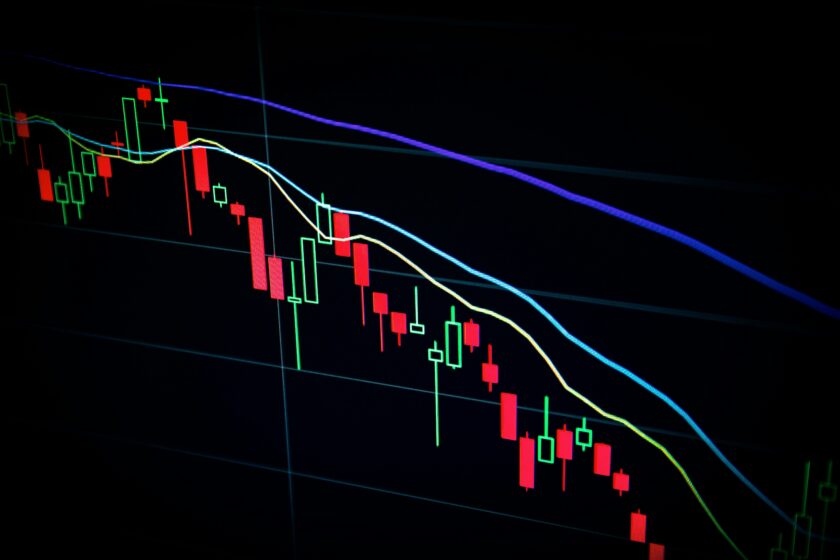
In the high-stakes arena of investing, success hinges on two crucial elements: impeccable timing and access to critical information. Each quarter, publicly traded companies unveil their financial health to eager shareholders and the broader market. These announcements often spark significant market movements as investors react to profits, losses, and forecasts. Keeping track of these crucial updates manually can be overwhelming, which is why traders and investors turn to the earnings calendar to stay informed and prepared.
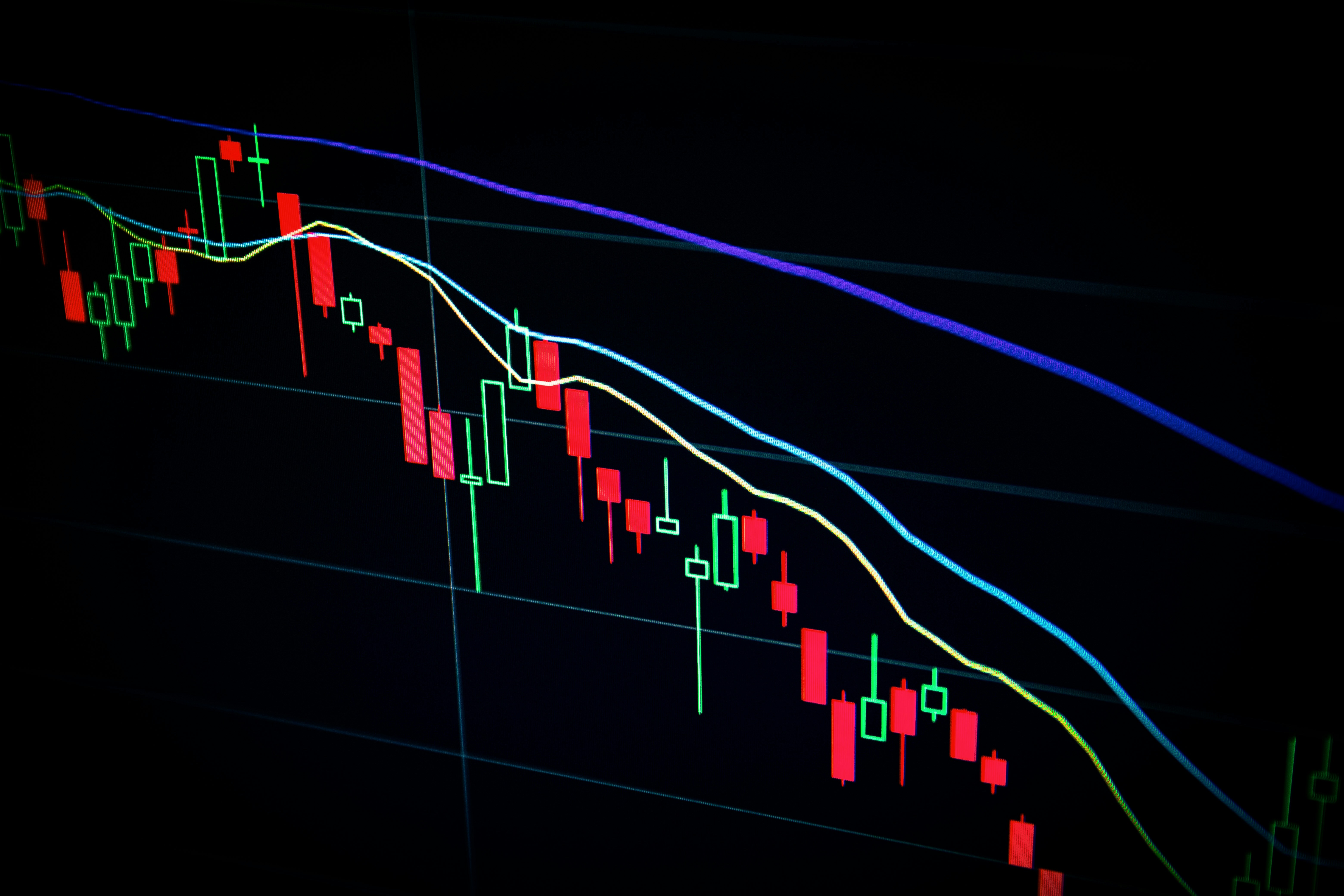
What an Earnings Calendar Is and Why It Matters
An earnings calendar is a detailed schedule that lists the upcoming earnings reports of publicly traded companies. It shows the date, time, and often the estimated earnings per share (EPS) that analysts expect. When the actual numbers are released, the calendar reflects the results, allowing traders to compare them against forecasts and evaluate the company’s performance.
The importance of this tool lies in its ability to provide foresight. Knowing when major corporations like Apple, Tesla, or Amazon plan to report earnings allows investors to anticipate market volatility and adjust their strategies in advance. Earnings announcements can cause stock prices to soar or slump in minutes, making preparation essential.
The Role of the Earnings Calendar in Market Strategy
Earnings season, which occurs four times a year, is one of the most active trading periods. Stocks often experience sharp price movements during these times, not only for the companies reporting but also for related sectors. For instance, when a leading tech firm posts strong results, other companies in the industry might benefit from positive sentiment.
Using an earnings calendar, traders can identify which stocks are likely to move and plan accordingly. It helps in three major ways:
- Managing Risk:
By knowing when earnings are due, traders can reduce exposure to stocks expected to have volatile reactions or use hedging strategies to protect their portfolios. - Spotting Opportunities:
Unexpectedly strong results can trigger rallies, offering short-term profit potential. On the other hand, disappointing numbers may present buying opportunities for long-term investors. - Comparing Sector Trends:
Tracking multiple companies’ earnings across sectors reveals broader market trends. For example, consistent growth in consumer spending across retailers can indicate a healthy economy.
Key Elements of an Effective Earnings Calendar
Modern trading platforms offer highly detailed and interactive earnings calendars. Here’s what makes a good one stand out:
- Accurate Reporting Dates:
Companies can change reporting dates, so a reliable calendar keeps real-time updates to reflect new schedules. - Consensus Estimates:
Many calendars include analyst forecasts for revenue and EPS, giving users a benchmark for expectations. - Previous Results:
Having access to past earnings helps traders analyze whether performance is improving or declining over time. - Sector Categorization:
Grouping companies by industry makes it easier to spot patterns within specific sectors, such as technology, finance, or healthcare. - Filtering Options:
Users can sort by date, company name, or market capitalization to focus on the data that matters most to their portfolio.
These features make the earnings calendar an indispensable resource for anyone trying to navigate quarterly market fluctuations efficiently.
How to Use the Earnings Calendar Like a Pro
Professional traders rely on the earnings calendar to plan every move. Here’s a look at how it can be used strategically:
- Pre-Earnings Positioning:
Traders often review analysts’ estimates and sentiment before earnings announcements. If the market expects a strong performance, the stock may already have rallied. Understanding this helps determine whether to hold, sell, or wait. - Monitoring Volatility:
The period just before and after earnings is often volatile. By tracking these dates, traders can avoid entering positions during uncertain phases or take advantage of high volatility if they’re comfortable with the risk. - Post-Earnings Reactions:
After results are out, investors evaluate not just the numbers but the company’s guidance for the next quarter. The calendar helps in tracking follow-up reports and updates that may influence future performance. - Learning from Patterns:
Over time, analyzing reactions to multiple earnings releases helps traders predict how similar situations may unfold in the future.
Common Mistakes Investors Make Without Using a Calendar
Not paying attention to the earnings calendar can lead to easily avoidable mistakes. Many traders open positions without realizing a company is about to announce results, only to see the stock swing wildly afterward. Others react too quickly to headline numbers without analyzing deeper details such as revenue growth or debt levels.
Another error is ignoring the broader market context. Sometimes, even positive earnings can lead to a price drop if overall investor sentiment is weak. By monitoring upcoming earnings and sector trends through the calendar, investors can interpret these moves more accurately.
Broader Benefits Beyond Trading
The earnings calendar is not just for day traders or short-term investors. Long-term investors, analysts, and even business journalists use it to understand the financial health of different industries. By tracking when companies report, they can spot shifts in market leadership, identify emerging growth areas, and stay informed about the overall economic climate.
Additionally, the calendar helps investors prepare for potential ripple effects. When major firms underperform, it often influences related suppliers, partners, and competitors. Understanding these relationships allows investors to think beyond individual stocks and assess broader portfolio risks.
Integrating the Earnings Calendar into Daily Routines
To make the most of this tool, consider incorporating a simple daily routine:
- Morning Review:
Check the calendar for companies reporting that day and identify which ones could affect your holdings or watchlist. - Set Alerts:
Enable notifications for specific stocks or sectors you follow to ensure you don’t miss significant updates. - Compare and Analyze:
After the earnings release, compare actual figures with forecasts and observe how the stock reacts. This analysis helps refine future strategies. - Record Insights:
Keeping a trading journal that includes notes on earnings reactions builds valuable historical perspective.
These habits improve awareness, discipline, and decision-making accuracy over time.
The Technological Advantage
Technology has made the earnings calendar more accessible and efficient than ever. Modern trading platforms now offer real-time synchronization, automatic updates, and customizable interfaces that cater to every trader’s needs. Instead of relying on scattered news sources, users get structured data in one place.
Advanced platforms even integrate AI-driven tools that highlight which earnings reports are likely to have the biggest market impact. This combination of data and technology saves time and enhances analytical precision.
The Bigger Picture
Earnings reports are more than just numbers. They tell the story of how companies are performing, adapting, and growing in changing market conditions. The earnings calendar acts as the narrative thread connecting these stories, giving investors clarity and direction.
Whether you trade daily or invest for the long term, staying updated on earnings announcements ensures that you are never caught off guard by sudden market movements.
Final Thoughts
Market success depends on being informed, prepared, and proactive. The earnings calendar equips traders and investors with the foresight they need to make confident decisions during one of the most dynamic periods in the financial cycle. By understanding when and how companies report, users can anticipate trends, manage risk, and capitalize on opportunities.
For a seamless experience in tracking global earnings and financial data, explore the tools offered by TradingView. With its real-time updates, intuitive filters, and interactive calendar design, it helps investors stay aligned with the latest market developments. Stay informed, act strategically, and take charge of your investment journey with TradingView’s comprehensive financial insights today.
Check live fuel prices near you before you set off.
Spotted something? Got a story? Email news (@) deeside.com

NEW: Add Deeside.com as a preferred source on Google to see more of our trusted coverage when you search.
Latest News