Sunny weekends could mean cheaper electricity bills this summer under updated scheme
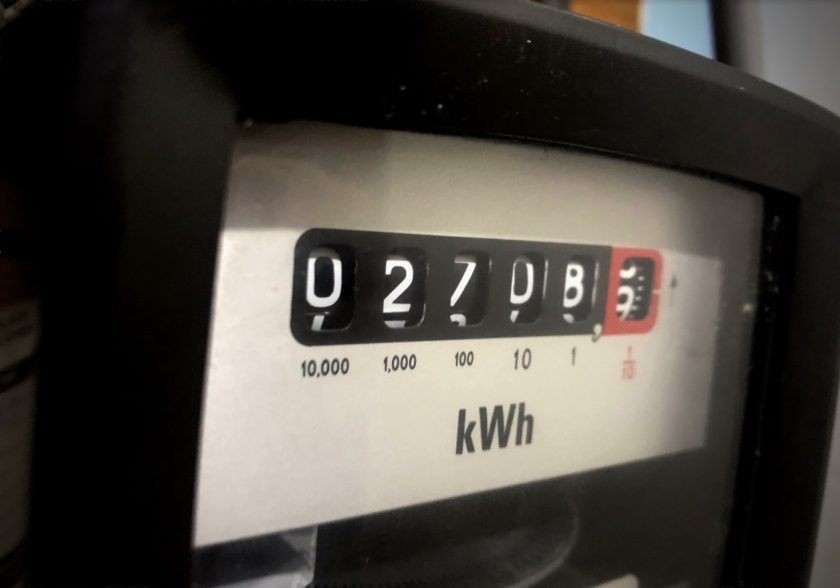
Households with a smart meter could receive free or cheaper electricity this summer under an updated energy scheme that rewards customers for using more power during periods of surplus supply.
The Demand Flexibility Scheme, run by the National Energy System Operator (NESO), has been expanded from this week to allow energy companies to encourage customers to increase their electricity use, as well as reduce it, when excess generation makes supply outstrip demand.
The change was approved by industry regulator Ofgem last month.
Surplus electricity periods are most likely on sunny, windy weekends and bank holidays, when solar and wind generation is high but demand is low.
Energy companies signed up to the scheme so far include British Gas, Equiwatt and Octopus Energy, NESO said.
NESO will tell energy companies when it wants the scheme to run.
It will then pay providers if they are able to shift demand for that period, and suppliers can decide how to pass money on to customers.
Rewards will vary by supplier and could include free or cheaper electricity at set times, or points that can be converted into gift cards.
The scheme can also vary by area, meaning customers in one part of the country could be encouraged to increase use while those elsewhere are incentivised to cut back at the same time.
Eligible uses include running washing machines and dishwashers, and charging electric vehicles, during the designated periods.
To take part, households need a smart meter and a supplier that is participating in the scheme.
British Gas said it already runs a separate scheme, PeakSave, offering customers half-price electricity on Sunday afternoons during periods of lower demand and oversupply of renewable energy.
It said it was exploring with NESO how the Demand Flexibility Scheme would work in practice.
Electricity demand falls in summer as households use less heating and lighting, while solar power generation rises.
Renewable energy produced a record amount of electricity in Great Britain last year, with wind the biggest single renewable source.
Solar-powered electricity rose by nearly a third on 2024 levels, according to BBC analysis of NESO data.
NESO said periods of surplus electricity are becoming more common as smaller, local electricity generators, including rooftop solar panels, reduce reliance on large power stations.
NESO said: “The complexity of operating the system at low demand is increasing, and we may need to use more of our tools, and use them more often, than in previous summers.”
Customers interested in taking part should check with their energy supplier whether they are enrolled in the scheme or a compatible tariff.
Check live fuel prices near you before you set off.
Spotted something? Got a story? Email news (@) deeside.com

NEW: Add Deeside.com as a preferred source on Google to see more of our trusted coverage when you search.
Latest News