Saber Sword vs. Damascus Sword: A Complete Guide to History, Craftsmanship & Cultural Legacy
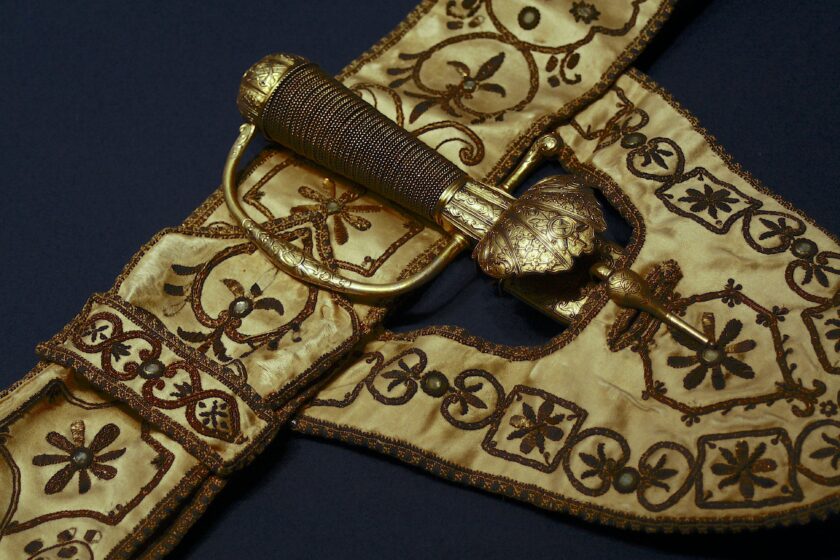
Throughout human history, few weapons have captured attention and admiration the way swords have. Among the most iconic blades ever crafted are the Saber Sword and the Damascus Sword—two legendary weapons known for their powerful presence, striking appearance, and rich historical roots. Though they originate from different cultures and purposes, both have earned a celebrated place in martial traditions, craftsmanship, and modern collections.
This article explores the origins, features, craftsmanship, and cultural significance of both the Saber Sword and the Damascus Sword and explains why they continue to captivate collectors and enthusiasts around the world.
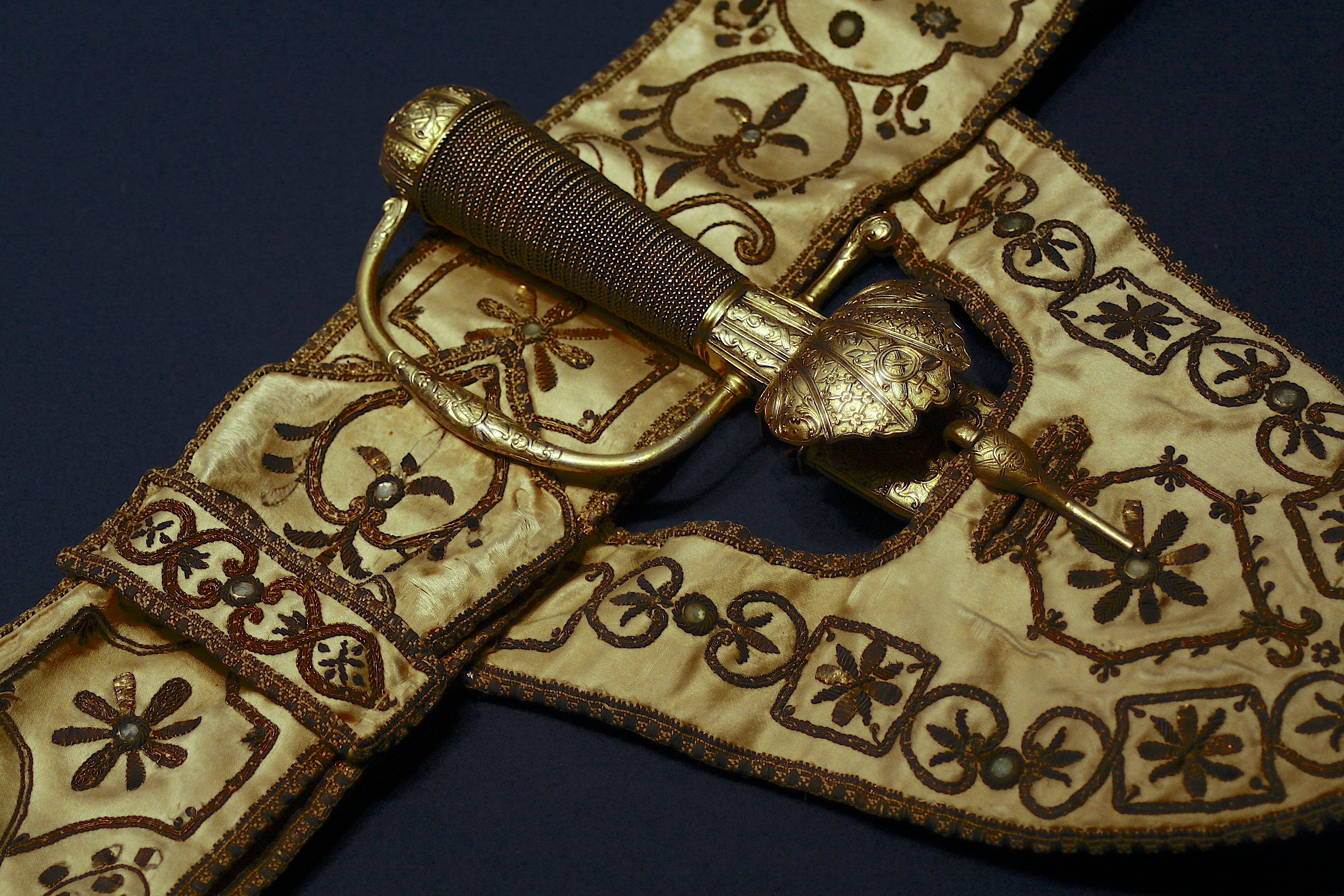
The Saber Sword: A Masterpiece of Speed and Precision
The Saber Sword—often spelled “sabre”—is widely recognized for its distinctive curved, single-edged blade. Designed for mounted warriors, it became the preferred weapon of cavalry units across Europe, Asia, and the Middle East. Its lightweight design and slashing ability made it a dominant force on fast-moving battlefields.
Key Features of a Saber Sword
- Curved Blade:
Enhances slashing power
- Single Edge:
Ideal for quick, clean cuts
- Protective Hand Guard:
Shields the user’s fingers during combat
- Lightweight Structure:
Allows faster strikes while riding
The curvature of the Saber Sword played a vital role in its effectiveness. While straight swords were designed mainly for thrusting, the saber’s curved form delivered momentum-driven cuts without getting stuck in armor or bone, making it perfect for cavalry charges.
Historical Significance of the Saber Sword
Although the Saber Sword is associated with European cavalry, its origins trace back to Central Asia. Turkic and Mongol warriors popularized curved swords long before they reached Europe. By the 17th and 18th centuries, nations such as Poland, Russia, and Hungary adopted the saber as a symbol of military power.
In the modern era, the Saber Sword remains a ceremonial icon. Military academies use sabers in honor parades, graduate ceremonies, and symbolic rituals. The weapon continues to represent bravery, discipline, and martial pride.
The Damascus Sword: A Legend Forged in Fire
The Damascus Sword is one of the most famous blades in history, known for its mesmerizing patterns, extraordinary sharpness, and unmatched durability. These swords were crafted using Damascus steel, a material developed in the Middle East over 2,000 years ago. The steel’s distinctive wavy or “water-like” patterns were created through advanced forging methods that produced both hardness and flexibility—an unmatched combination for battle.
Key Features of a Damascus Sword
- Wavy Surface Patterns:
Created through layered steel forging
- Incredible Sharpness:
Holds a cutting edge longer than ordinary steel
- High Flexibility:
Resists shattering during heavy impact
- Unique Appearance:
No two Damascus blades ever look the same
Ancient Damascus steel, also known as Wootz steel, earned near mythical status. Tales described Damascus swords cutting through armor, slicing silk scarves mid-air, or bending without breaking—attributes early metallurgists achieved through advanced carbon distribution within the steel.
Damascus Sword Craftsmanship
While original Wootz steel techniques were lost by the 18th century, modern bladesmiths recreate Damascus-style swords using pattern-welding, a method that stacks and folds multiple steel layers to produce the signature flowing designs.
The craftsmanship behind a Damascus Sword is not just technical—it is artistic. Each fold, hammer strike, and heat-treatment stage creates a blade that reflects the skill, patience, and creativity of the smith.
Collectors value Damascus swords for their:
- Artistic uniqueness
- Balance between beauty and functionality
- Historical significance
- Premium materials
Saber Sword vs. Damascus Sword: Key Differences
Though both swords hold cultural and historical importance, they differ in design, origin, and purpose. Understanding these differences helps enthusiasts appreciate the technical brilliance behind each blade.
1. Blade Shape
- Saber Sword:
Always curved, optimized for slashing
- Damascus Sword:
Can be straight or curved, depending on the smelter and culture
2. Metal and Crafting Method
- Saber Sword:
Made from various types of steel depending on the region and period
- Damascus Sword:
Known specifically for patterned Damascus steel
3. Combat Use
- Saber Sword:
Designed for riders and fast-cutting cavalry attacks
- Damascus Sword:
Valued by elite warriors for both cutting and thrusting ability
4. Symbolic Value
- Saber Sword:
Represents military honor and authority
- Damascus Sword:
Represents craftsmanship, status, and ancient metalworking knowledge
Why Collectors Love Saber Swords
Modern collectors are drawn to the Saber Sword because of its elegant design, historical significance, and smooth handling. The curvature of the blade and detailed hilt work make it an appealing piece for display. Enthusiasts of historical European martial arts (HEMA) also appreciate sabers for their ease of use and balanced weight, making them ideal for practice and reenactments.
Ceremonial replicas remain popular among military professionals, symbolizing leadership and tradition. Even outside military circles, the saber’s majestic look and historical connections make it a central piece in many private collections.
The Enduring Appeal of Damascus Swords
The Damascus Sword continues to attract blade enthusiasts for its combination of beauty, power, and myth. Its rippling patterns create an artistic masterpiece, while the steel’s hardness and flexibility make it exceptionally durable.
Modern Damascus swords are often displayed as luxury items, gifted for prestigious occasions, or used in martial arts demonstrations. Because each Damascus blade is entirely unique, collectors prize them as one-of-a-kind works of metal artistry.
Which Sword Should You Choose?
The choice between a Saber Sword and a Damascus Sword depends on your interests:
Choose a Saber Sword If You Love:
- Military history
- Cavalry weapons
- Elegant curved blades
- Ceremonial or decorative pieces
Choose a Damascus Sword If You Love:
- Artistic patterns
- Ancient metallurgy
- High-performance steel
- Unique collector items
Some collectors choose both, creating a balanced selection of blades from different cultures and time periods.
Final Thoughts
Whether you are a historian, collector, martial artist, or simply an admirer of fine craftsmanship, the Saber Sword and Damascus Sword offer a window into centuries of human creativity and technological evolution. Each blade carries its own story—of warriors, empires, artisans, and traditions that shaped the world. Their legacy continues to live on as symbols of beauty, mastery, and timeless craftsmanship.
Check live fuel prices near you before you set off.
Spotted something? Got a story? Email news (@) deeside.com

NEW: Add Deeside.com as a preferred source on Google to see more of our trusted coverage when you search.
Latest News