Reshaping The British High Street – Can It Survive In The Digital Age?
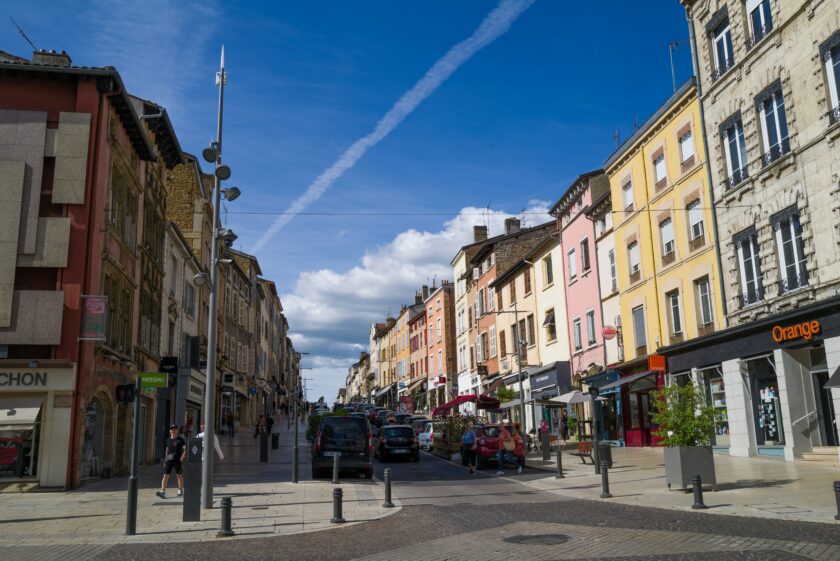
There has been so much said about the changing fortunes of the British high street over the last 30 years. Of all the staples of British society and the challenges that the country has faced, the death of the high street is perhaps the one that resonates the most. For many of us, taking a walk down the high street is an entirely different experience than it was 25 or 30 years ago.
Within the space of a few decades, the looming presence of online commerce and digital retailers has eaten the high street up. Many brands have failed to keep their head above water when their competition has emerged online and do not have to worry about the same rent, overheads, bills, or paying for other expenses such as security.
Adapting To A Global Market
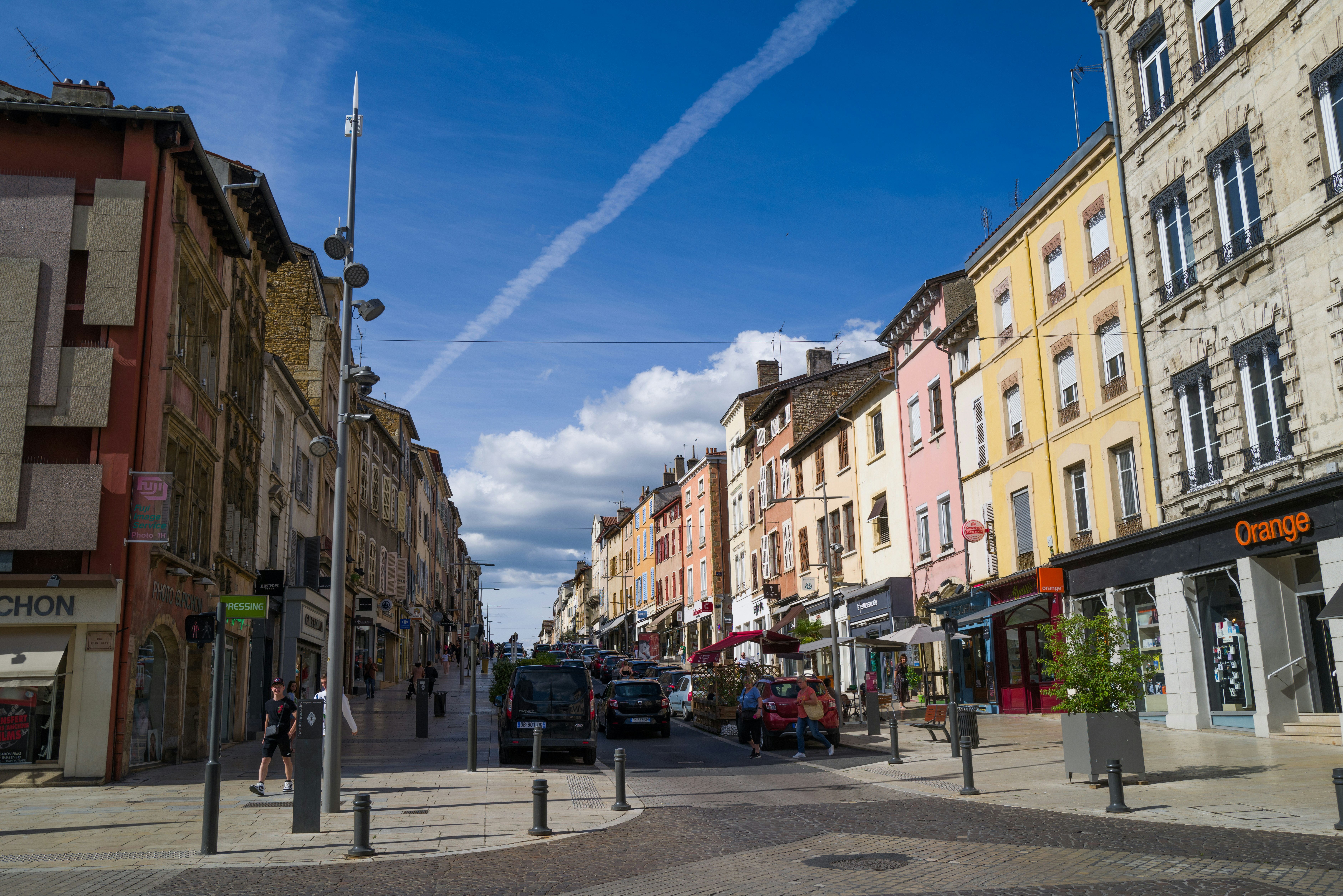
It’s been a steep learning curve for brands that have spent decades establishing their presence on the high street. If you take a walk down the British high street now, there are plenty more conglomerate companies and betting shops than there were a couple of decades ago.
It’s a number that has continued to grow, as many of these betting companies can channel their enormous digital profits into keeping their land-based operations liquid and visible for those customers who prefer to do their betting in-person rather than online.
Even conventional gambling has had to make way for the enormous success of its digital competition, which has influenced the growth of conventional games online, as well as niche crash game ideas that have been able to thrive in a world where smartphones and mobile devices have become the main way that people access crash games and other niche gambling markets.
Remodelling What The High Street Means
As individual bakers and butchers find themselves struggling to compete against the might of the all-encompassing presence of Tesco, there are some business ideas and local councillors who are using the dynamic to try to reshape what the high street means.
For some people, this has meant more bars and restaurants. However, as the younger generation becomes more “sober curious”, there’s been a wider call for these forms of entertainment to be more inclusive and cater to those who do not have to have a pint in their hand to feel comfortable in a social setting.
Board game and video gaming cafes are one concept that has been gaining popularity since the start of the 2020s. You only need to take to social media, as you can see in the link below, to get a glimpse of just how popular the world of professional video gaming is becoming.
While many of these communities congregate online, there is still a market for those who want to form their own communities, meet people in real life, and socialize. On their own, they aren’t going to transform the high street, but if they make up smaller parts of a bigger puzzle, then we could see a total transformation of the high street in the coming years.
https://www.instagram.com/thunderpickco/p/DP9RsqKDAaI/
There have been many calls locally and nationally to inject some hope into the high street, provide small businesses with some relief, and actually incentivize companies to pump lifeblood into the roads that define many of our local neighbourhoods, but it will be a joint effort across multiple areas, sectors and industries that will result in the best chance in keeping the high street thriving.
Is The Digital Revolution Inevitable?
For some, it is. However, many people said that the rise of the internet would’ve wiped out the high street already. In the early 2010s, when the likes of Amazon were creating an enormous monopoly within the UK online market, some thought that by the end of the decade, we would’ve witnessed the end of the high street.
Now, this depends on where you are. If you are in a rural area or an area that suffers from underfunding, then the high street has taken a rough hit over the last decade. Some high streets have embraced changes, realized that not every other storefront needs to be a pub or a betting shop, and have diversified to keep their local area alive.
Obviously, this has come with a varying degree of success. There’s no denying that going online to conduct the majority of our daily activities and purchases is much more convenient than going down the high street.
However, if the alternative is that the local high street completely dies out, then for some, it is worth the trip. It’s a balancing act; we’re always going to go for something cheaper and more convenient, but as the internet has shown us over the last few years, social media can make us more disconnected, despite how ultra-connected we are.
Our high street is the same, and we won’t know what we had until it has gone, so it’s good to see so many people raise this awareness from a grassroots level. Only time will tell if it’ll be enough.
Check live fuel prices near you before you set off.
Spotted something? Got a story? Email news (@) deeside.com

NEW: Add Deeside.com as a preferred source on Google to see more of our trusted coverage when you search.
Latest News