Maximising the Warehouse: Why All Your Tools Need to Work Together
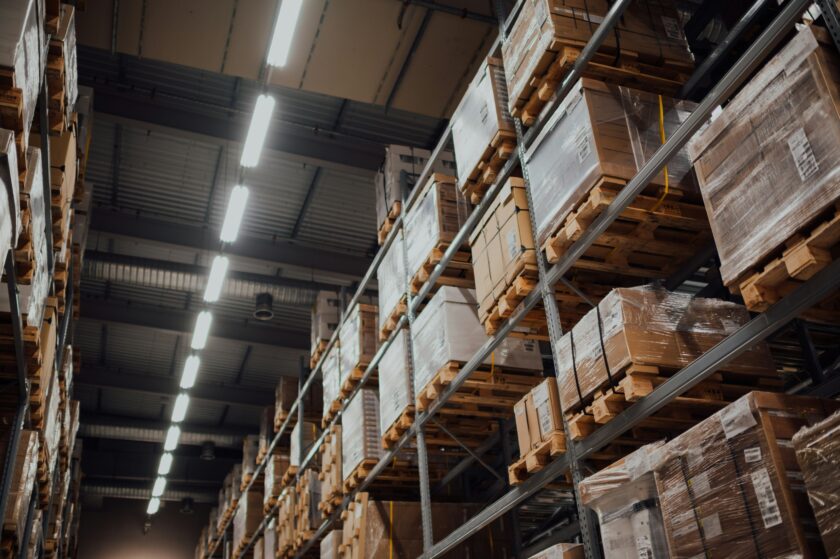
Warehouses don’t work on single machines or one-off solutions. They work because every part, from storage to movement, runs in sync. Sure, having a great, high-quality stacker is what everyone wants, right? And it’d be amazing on its own, too. But what’s the use of a great stacker if the rest of your system isn’t really working the way that it should? Think about it. You can have a stacker with perfect load capacity and height reach, but if your storage layout is disorganized, you’re losing time and space. And that’s why it’s very important that all your tools work together.
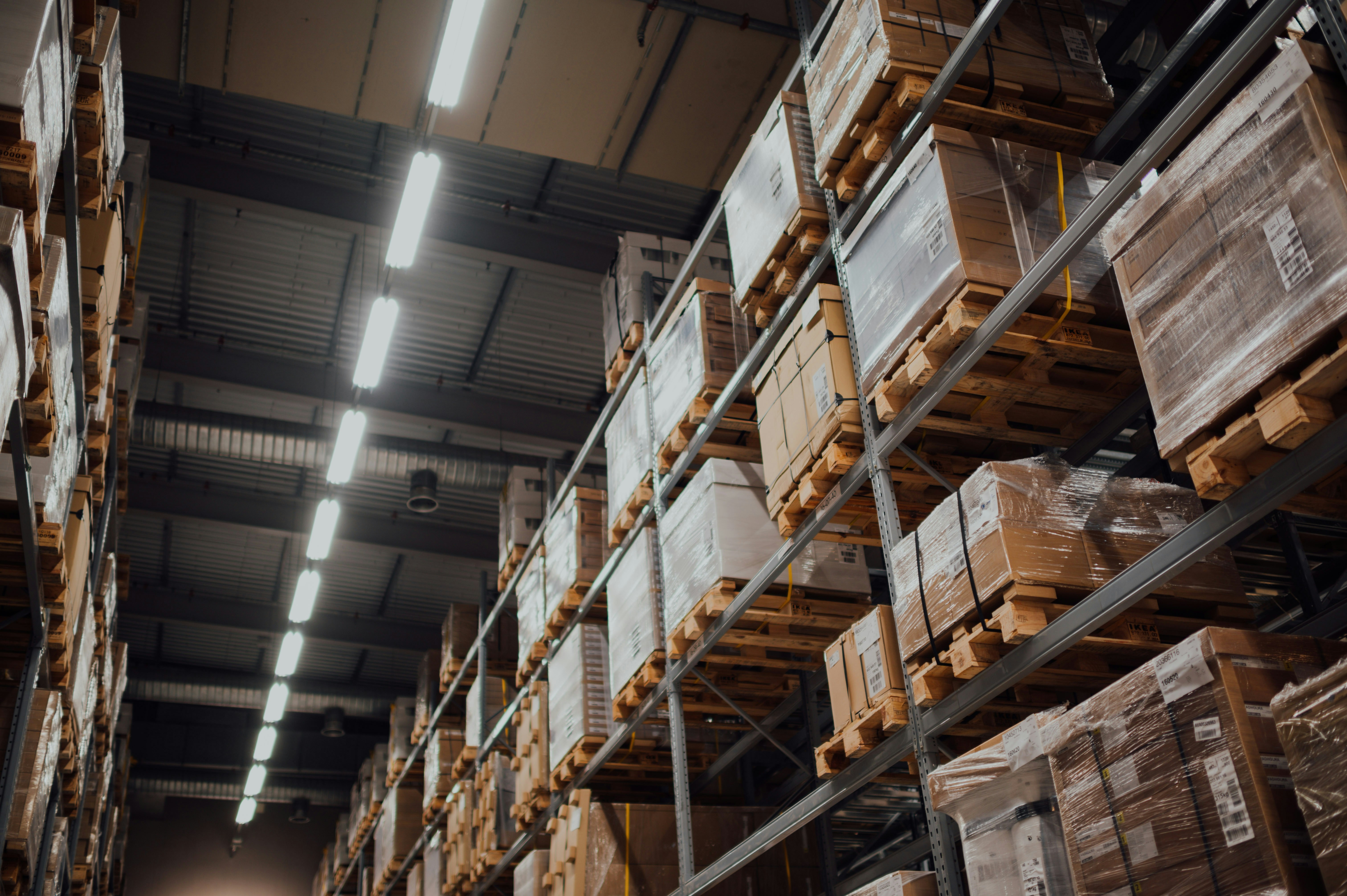
The layout is half the battle.
One of the biggest mistakes in warehouse planning is treating storage and equipment as two separate conversations. In reality, the choice of storage design shapes everything else. If your racks are too close together, even the most efficient equipment will struggle to maneuver. Too wide, and you waste valuable floor space.
Put the right stock in the right place. Fast movers close to dispatch. Seasonal items in their own lanes. Heavy lines near the shortest travel routes. All of it links back to the machines you use. If racking and equipment don’t suit each other, then you have a major problem on your hands.
Storage that earns its keep.
Good storage does more than hold weight. It makes the work easier. That’s where heavy duty shelving pays off. The installation is not just “put shelves here”. It is stability, access, and using the height properly.
Say you handle bulky parts alongside small, fragile items. Without flexible heavy-duty shelving, you either overbuild for the light gear or underbuilt for the heavy gear. Both waste space and raise the risk of damage. Adjustable beams let you set heights and loads to match what arrives, without a full rebuild.
Strong, well-sited racks also shape the flow. Store items where they will be picked. That cuts steps between storage and dispatch, and lowers the chance of mis picks and knocks.
Movement makes or breaks output!
After storage, movement is the test. A neat rack plan is pointless if it takes too long to shift goods. Not every machine suits every job. So, you must use clear roles.
Pallet trucks, reach trucks, forklifts: each has a lane. The win is when they cover the full workflow without doubling up. If two machines do the same task, then you’re essentially wasting one. And let’s say if one can’t do a needed task, then you have a large backlog of other tasks queuing up.
Match machine capacity to aisle width, pick height, and load type. This is one of the quickest ways to lift throughput. You need to buy to fit your stock and your space. The biggest or most grand-looking one isn’t always what your business needs. Sometimes, small machines have a bigger impact.
The danger of single-focus upgrades.
We all know business operations are costly and time-consuming, because of which upgrades in your warehouses might often happen in isolation. But that can be a problem. Let’s say a shiny new unit arrives. No one checks how it fits the route, the turning circle, or the racking, and in the end, you’re left with speed in one spot and a choke point in another.
A larger forklift might help with bulk moves. But if the aisles are too tight or the rack protectors take a beating, you slow everything else down in an attempt to actually do the opposite. And that’s why every purchase should be weighed against the chain it touches. The forklift, in this case, shouldn’t just be evaluated on its own individual function of whether it can carry bulk goods or not; it should also be evaluated in terms of how it’ll actually move with other equipment in the warehouse. Your goal should be to improve the system, not just one number on a spec sheet.
Future-proofing through flexibility.
The best setups don’t lock you in. When you’re running a successful business, you know that your needs and demands will change over time. Product sizes can change. Sometimes, even the physical space changes. So you need to build for adjustment.
You want to be able to alter beam heights, shift pick faces, and switch between pallets and mixed cases with minimal downtime. Flexibility spreads the load across machines and people, and keeps output steady when the plan shifts.
Where the right movement tool changes everything
Maneuverability decides how the system performs under pressure. If you’ve got narrow aisles, awkward corners, or mixed load sizes, standard moving machines might get stuck and slow down. But the articulated fork lift does not. This fork lift works in much tighter aisles without giving up lift height or capacity, so it lets you increase storage density without having to expand. And especially in a warehouse with heavy duty shelving, an articulated model can drive straight into the rack.
You can go denser without killing speed. And you can hold more stock in the same space, which is where the real savings live.
Check live fuel prices near you before you set off.
Spotted something? Got a story? Email news (@) deeside.com

NEW: Add Deeside.com as a preferred source on Google to see more of our trusted coverage when you search.
Latest News