Latest Trends in Aerial Work Platforms for Commercial Use
Why Aerial Work Platforms Matter in Today’s Industry
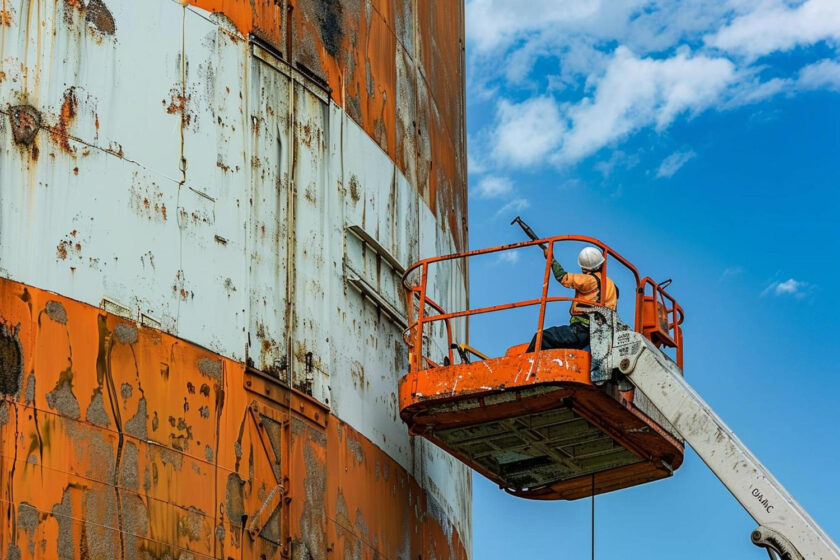
Aerial work platforms (AWPs), also known as access platforms or mobile elevating work platforms (MEWPs), are vital for safe and efficient work at height. From construction and maintenance to warehousing and events, they provide stability, reach, and safety for tasks that ladders or scaffolding cannot manage as effectively. As industries evolve, so do the demands placed on these machines, leading to new innovations and approaches that change how companies think about working at height.
The Growing Focus on Safety and Compliance
One of the biggest trends in aerial work platforms is the continued focus on operator safety. Employers are under increasing pressure to comply with Health and Safety Executive (HSE) guidance, which stresses the importance of risk assessment and proper equipment. Modern platforms are now designed with advanced safety systems, such as automatic load sensors, tilt alarms, and emergency lowering functions, all helping to prevent accidents on busy commercial sites.
With more stringent site safety policies, businesses are moving away from traditional ladders and scaffolding and towards AWPs that reduce the risk of falls while improving productivity.
The Rise of Electric and Hybrid Platforms
Sustainability is influencing every sector, and access equipment is no exception. Electric and hybrid aerial work platforms are becoming more popular, especially in urban and indoor environments where emissions and noise are a concern. These platforms are powered by battery technology, offering quieter operation, zero emissions, and lower running costs compared to diesel machines.
For indoor use, electric scissor lifts are particularly effective, while hybrid boom lifts are becoming the go-to choice for outdoor projects that need flexibility without sacrificing sustainability.
Compact and Narrow-Access Machines
Not all commercial sites have wide-open spaces. Many projects involve tight corridors, narrow aisles, or restricted indoor spaces. This has driven demand for compact aerial work platforms that can fit through standard doorways while still providing impressive height capabilities.
Tracked spider lifts, for example, are lightweight and designed for narrow access but can still extend to significant heights. These are increasingly popular for maintenance work in shopping centres, office buildings, and historic sites.
Digital Integration and Smart Technology
Technology is transforming how operators and fleet managers use AWPs. Smart control systems now monitor usage, battery levels, and service needs, making it easier to predict maintenance and reduce downtime. Telematics systems allow companies to track equipment in real-time, ensuring that platforms are used efficiently and safely.
Some manufacturers are also introducing operator assist features such as one-touch levelling, platform positioning memory, and geo-fencing. These new innovations within Access Platform Sales make equipment easier to use, reducing the learning curve for new operators and improving productivity.
Demand for High Reach Boom Lifts
As buildings get taller and infrastructure projects become more complex, the need for high-reach boom lifts is increasing. Commercial users now look for platforms that can safely access over 40 metres, giving workers the reach needed for façade cleaning, cladding installation, and telecoms maintenance.
These boom lifts not only provide access but also offer greater outreach, enabling operators to work around obstacles such as walls or structures without constantly repositioning the base unit constantly.
Versatility Across Industries
Another trend is the growing demand for multipurpose access platforms. Scissor lifts and boom lifts are no longer limited to construction; they are widely used in logistics, facilities management, film production, and event staging. Companies are investing in hire solutions that allow them to use one machine for multiple tasks, ensuring better return on investment.
Facilities managers, for instance, use AWPs for everything from light fitting replacements to roof inspections, while retail warehouses rely on them for stock picking and maintenance at height.
Sustainability and Recyclable Materials
Alongside electric power, manufacturers are also exploring more sustainable construction methods. Some modern aerial work platforms are built using recyclable materials and designed for easier disassembly at the end of their lifecycle. Businesses increasingly value suppliers who provide eco-friendly solutions that align with their corporate social responsibility policies.
This shift reflects a wider industry move towards sustainable construction and equipment hire, where clients actively seek solutions that reduce environmental impact without compromising performance.
Operator Training and Certification
With new technology comes the need for skilled operators. The demand for certified training, such as IPAF (International Powered Access Federation) courses, has risen alongside the growth of access platforms. Employers understand that proper training not only meets legal requirements but also ensures machines are used correctly, reducing downtime and accidents.
Some platforms now include built-in training aids, with simple dashboards and automated alerts that make operation easier for beginners. Training providers are also adopting virtual reality simulators to help new users gain confidence before working on-site.
Cost Efficiency Driving Hire Demand
While some companies invest in purchasing aerial work platforms, the hire market continues to grow. Hiring access platforms offers businesses the flexibility to use the right equipment for each project without the long-term costs of ownership.
This is particularly important for industries that face seasonal demand or require specialised platforms for specific jobs. Short-term and long-term hire agreements give companies more financial flexibility while ensuring they have access to modern, well-maintained machines.
Conclusion: The Future of Aerial Work Platforms
The latest trends in aerial work platforms reflect a combination of safety, sustainability, and smart technology. Businesses are demanding equipment that not only improves efficiency but also reduces environmental impact and supports operator training. From electric scissor lifts to high-reach boom lifts, the range of machines available continues to expand, meeting the needs of modern commercial sites.
Whether you are managing a construction project, running a warehouse, or overseeing facilities maintenance, staying up to date with these trends helps you make smarter choices about the equipment you hire. By choosing modern access platforms, businesses can improve safety, cut costs, and future-proof their operations.
Check live fuel prices near you before you set off.
Spotted something? Got a story? Email news (@) deeside.com

NEW: Add Deeside.com as a preferred source on Google to see more of our trusted coverage when you search.
Latest News