From streaming to software: The hidden costs of subscription overload
Subscription services have become a normal part of most industries. From software, meal kits and flower deliveries to music and TV, there seems to be a subscription option for almost anything.
As the economy in the UK is unstable, many families are taking an in-depth look at their finances, and taking steps to improve their financial health, which may include using credit cards for rebuilding credit, personal loans and seeking expert budget advice.
The rising tide of subscription fatigue
It is worth remembering that subscriptions aren’t just for streaming music or TV. You may need to subscribe to Microsoft to work, or to a car plan to potentially save money in the long run on repairs and services.
With the growing number of subscriptions available, it is no wonder that British consumers are feeling overwhelmed. Not only are there multiple options for everyday purchases, but there are different prices too.
Meal kits, for example, take the stress out of food shopping and meal planning. However, you still need to research different companies and find the best option for you and check that you will actually be saving money. This is exhausting!
The high price of ‘passive’ subscriptions
It is estimated that unwanted subscriptions are costing consumers £1.6 billion per year, and that 10 million out of the 155 million active subscriptions are not wanted. This is a huge financial burden on UK taxpayers.
There have been several companies in the news in recent years for making it difficult to find information about their subscription cancellation policies. Customers have found that they have been charged a monthly fee without realising they were signing up for one, and then found it impossible to cancel.
Auto-renewals and confusing trial offers can mean that unwanted services are draining bank accounts, making it harder to budget and be fiscally responsible. Part of conducting your own financial health check is regularly sitting down with your bank statements to make sure there is nothing unexpected showing up.
Streaming split: Downgrades and discontent
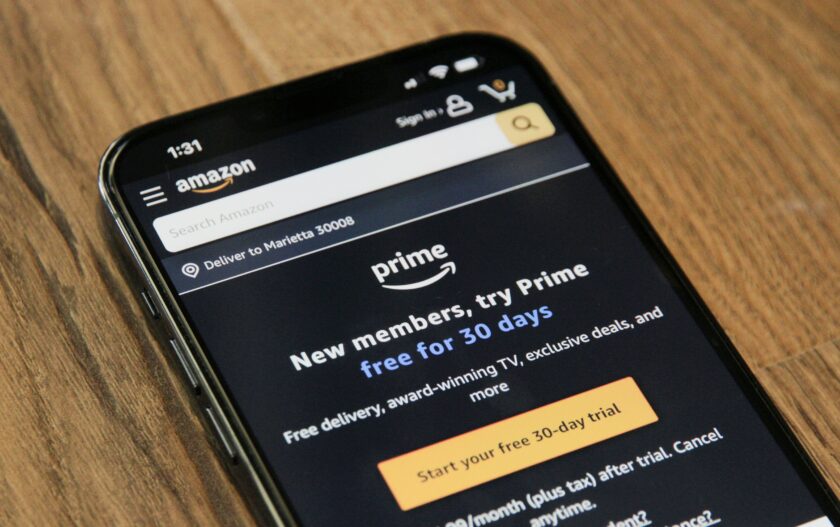
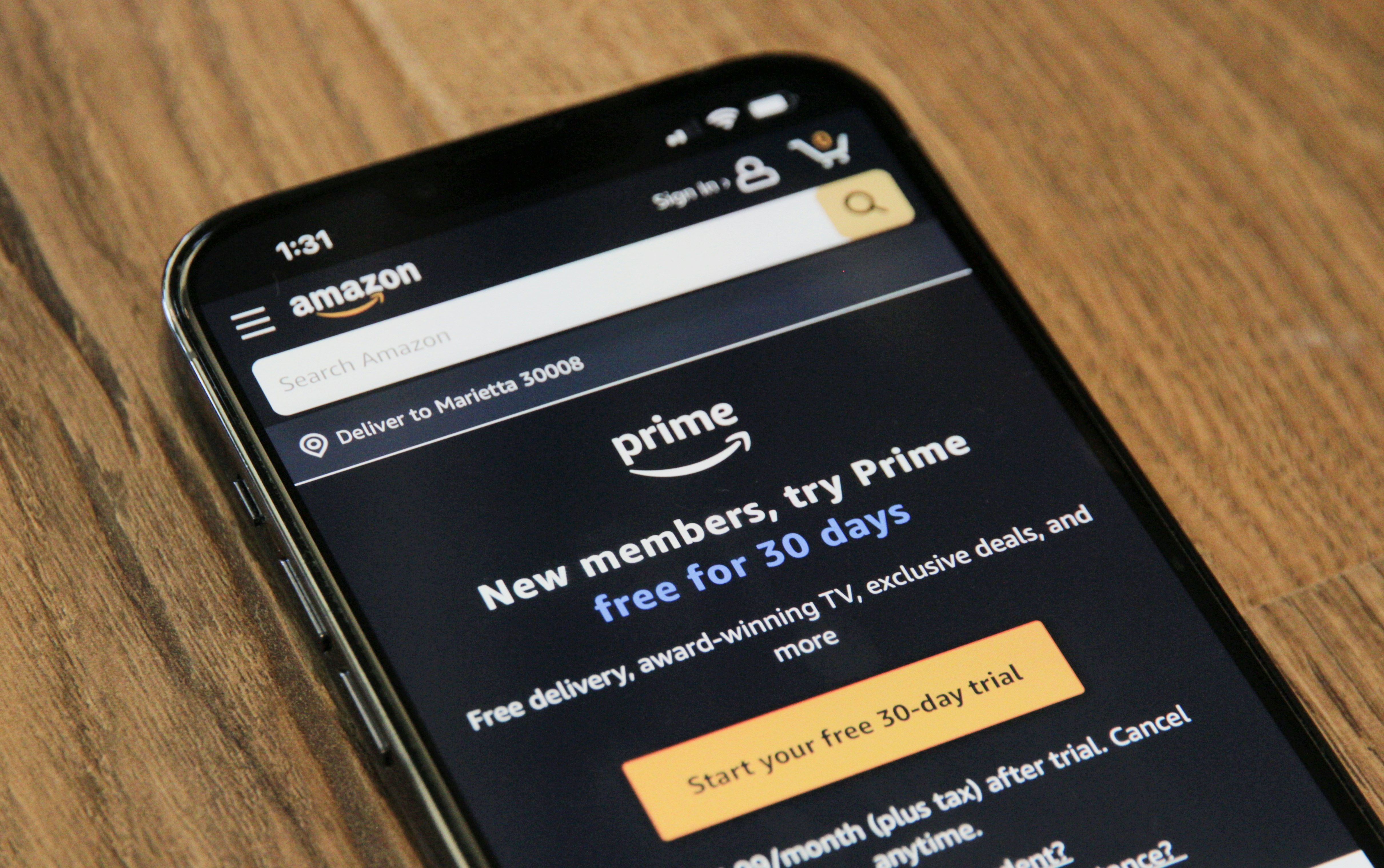
When streaming services for TV and music began, one of the key selling points was the removal of adverts in the middle of shows or playlists. Recently, however, platforms such as Amazon Prime have reintroduced them into their basic package. Therefore, customers would need to pay more to remove them again.
Another reason why subscriptions are being cancelled is price rises. If companies were improving services, then price rises may be tolerated. However, there is often a feeling that an increased price for a lower-quality service is not worth it, leading to cancellations.
Decisions such as these have led to loyal customers jumping ship and returning to terrestrial TV or putting up with adverts on free services such as YouTube.
Government intervention and push for transparency
Last year, the government set out plans for a crackdown on so-called ‘subscription traps’. The aim is to make it easier for paying customers to get a refund or cancel any unwanted services.
The proposed measures are still under consultation, but the government aims to work closely with businesses and consumers alike to ensure a fair change to the law.
Check live fuel prices near you before you set off.
Spotted something? Got a story? Email news (@) deeside.com

NEW: Add Deeside.com as a preferred source on Google to see more of our trusted coverage when you search.
Latest News