Chester Zoo’s giant otter triplets just passed their first check-up and all three are healthy
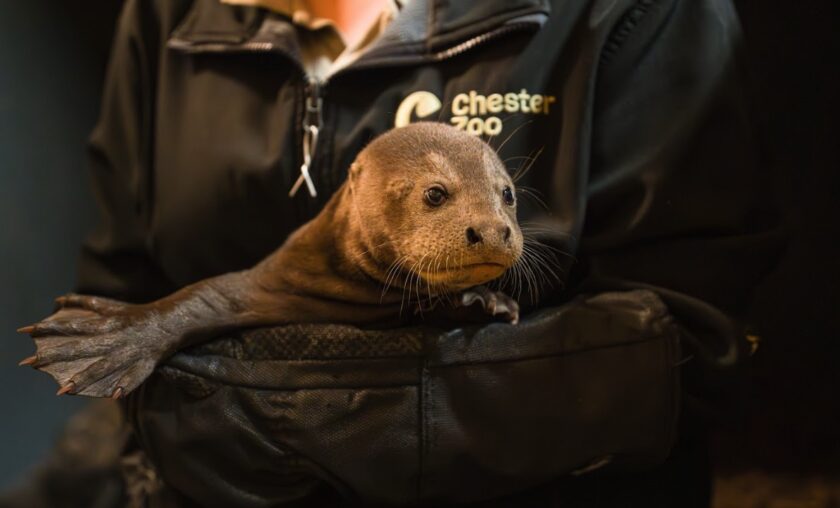
Chester Zoo has announced the birth of three giant otter pups, the first to be born at the attraction in seven years.
The trio were born on 9 February to Bonita and Manu, both first-time parents who arrived at the zoo from separate European zoos as part of an international breeding programme.
The pups stayed close to their mother in the early weeks, feeding regularly until they more than tripled in size.
At eight weeks old, all three had their first health check with the zoo’s veterinary team, where they were weighed and assessed.
Chester Zoo confirmed all three pups are in good health.
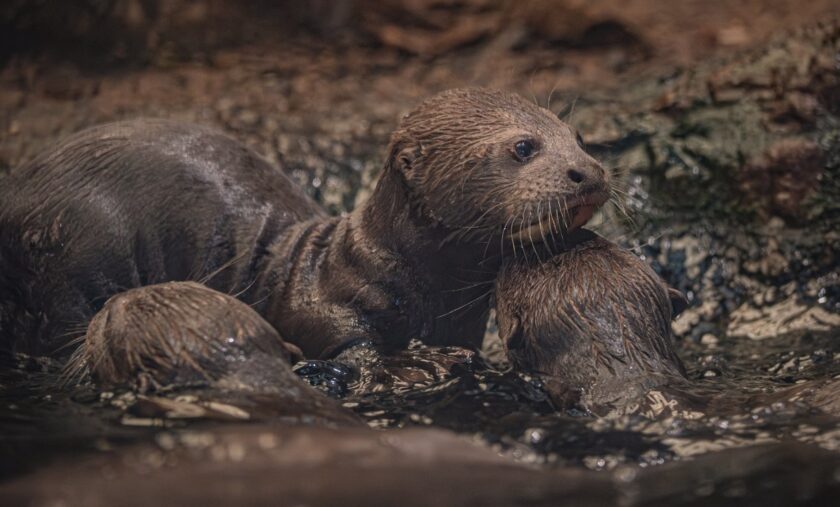
The sex of the trio has also been confirmed: two males and one female.
Names have not yet been announced.
Rachael Boatwright, Assistant Team Manager of carnivores at Chester Zoo, said:
“The arrival of these three giant otter pups is a hugely special moment and marks the first time the species has been born here in seven years.
“The pups recently had their very first health check-up at eight weeks old, where they were weighed and had their heart, teeth and overall condition assessed by the zoo’s vets.
“We’re delighted to confirm that all three are healthy and thriving – and that we have two males and one female pup.
“At eight weeks old, the pups will now start to venture outside alongside parents Bonita and Manu, who will start introducing them to the water and all of the essential skills they’ll need as they grow.”
Giant otters are the world’s largest otter species and can grow to more than a metre and a half in length.
Fewer than 5,000 giant otters are estimated to remain across South America, according to Chester Zoo.
The species is listed as Endangered by the International Union for the Conservation of Nature.
Their numbers have declined due to deforestation, water pollution and illegal hunting, and the species has already disappeared from parts of its former range.
Both parents were carefully matched based on their genetics to help maintain a genetically diverse population within the breeding programme.
Kirsten Pullen, Chief Conservation Officer at Chester Zoo, said:
“Every birth represents genuine hope for this highly endangered species, and these three giant otter pups are an important reminder of what conservation efforts around the world can achieve.
“Wild giant otter populations are facing enormous pressure from widespread habitat loss and pollution in their freshwater ecosystems, so the international conservation breeding programme has become a vital safety net for the species.
“By maintaining healthy, genetically diverse populations in conservation zoos like ours, while also supporting efforts to protect and restore habitats in the wild, we’re hopeful that giant otters can thrive long into the future.”
The pups will eat mainly fish as they grow, with adults also taking snakes, river crabs and smaller caimans in the wild.
Check live fuel prices near you before you set off.
Spotted something? Got a story? Email news (@) deeside.com

NEW: Add Deeside.com as a preferred source on Google to see more of our trusted coverage when you search.
Latest News